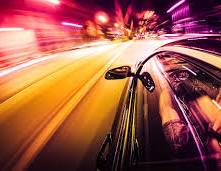
The phrase from the fast lane to the slow lane is a shift from a fast-paced, to a more relaxed and stagnant pace.
I flew back home to New York, but I drove down south and as I crossed state lines I noticed people are driving faster and apparently in a big rush to put a down payment on their tombstones.
-
Literally, on a highway:
In the context of driving, the "fast lane" (typically the left lane) is used for passing and higher speeds. Moving "from the fast lane to the slow lane" (the right lane) would mean slowing down and allowing faster traffic to pass.
-
Metaphorically, in other contexts:
The phrase can also be used to describe a change in one's lifestyle, career, or approach to life. It could mean shifting from a highly competitive or ambitious environment to a more relaxed, less stressful one.
-
In terms of social change:
The "Slow Lane" approach, as described in Sascha Haselmayer's book, suggests that addressing complex societal problems requires a shift from quick fixes to a more deliberate, thoughtful approach that emphasizes listening, sharing agency, and nurturing curiosity.
-
In personal development:
The phrase could also refer to slowing down to reflect, re-evaluate, and make more mindful decisions, rather than rushing through life.
Nevertheless:
- It often implies a change in speed or pace.
- It can describe both literal and metaphorical changes in environment or approach.
- The "fast lane" is often associated with speed, competitiveness, and stress, while the "slow lane" is associated with relaxation, deliberation, and a more mindful approach.
