Cuban Independence Day based on a perfunctory analysis of internet sources reveals two independence days based on competing points of view:
A. From the point of view of the United States, Cuban Independence Day is celebrated on May 20 each year.
This date commemorates the formal establishment of the Republic of Cuba in 1902, marking the end of Spanish colonial rule and the beginning of Cuban sovereignty.
Historical Context
Key Events Leading to Independence
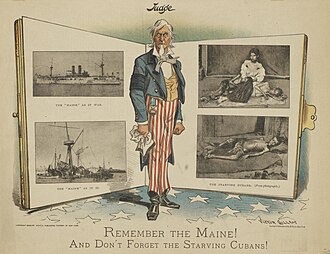
• Cuban War of Independence (1895-1898): This conflict was fought between Cuban rebels and Spanish forces, culminating in the U.S. intervention during the Spanish-American War.
• Treaty of Paris (1898): Spain ceded control of Cuba to the United States, which occupied the island until 1902.
Transition to Independence
• May 20, 1902: The United States officially transferred authority to Cuba, and Tomás Estrada Palma was sworn in as the first president. This day is significant as it symbolizes Cuba's transition to self-governance.
B. From the point of view of Cubans, Independence Day is celebrated annually on October 10.
This date commemorates El Grito de Yara, the declaration of independence from Spanish rule made by Carlos Manuel de Céspedes in 1868. This event marked the beginning of the Ten Years' War, a crucial conflict in Cuba's fight for independence.
Historical Significance
Key Events Leading to Independence
• 1868: Carlos Manuel de Céspedes declares independence, initiating the Ten Years' War.
• 1878: The war ends with a surrender to Spanish forces, but it sets the stage for future uprisings.
• 1898: The Spanish-American War leads to the end of Spanish colonial rule in Cuba.
• 1902: Cuba officially gains independence, although U.S. influence remains significant.
Impact of Grito de Yara
El Grito de Yara was a pivotal in uniting Cubans against Spanish oppression. It not only sparked the Ten Years' War but also laid the groundwork for subsequent independence movements, including the Cuban War of Independence from 1895 to 1898.
Ironic coda to both points of view:
The Platt Amendment added by the United States to the Cuban Constitution of 1901 permitted extensive U.S. involvement in Cuban international and domestic affairs for the enforcement of Cuban independence, so Cuba's freedom on October 20, 1902 was really an illusion.
Carlos Manuel de Céspedes, who also issued the first decree abolishing slavery in the liberated city of Bayamo, and he freed the slaves working in his sugar mill in 1883. His tomb in the Necropolis of Colón offers poignant words about foreign intervention:
"For me, there shall be no Cuban bloodshed nor foreign intervention."
In fact, it was the Platt Amendment, enacted as part of the Army Appropriations Act of 1901, that motivated Fidel Castro to rise against the United States because he and his followers believed that amendment cemented a master-subject relationship between Cuba and the United States that had severely stifled the growth of Cuba's autochthonous culture and had crippled its economy.
The Professor