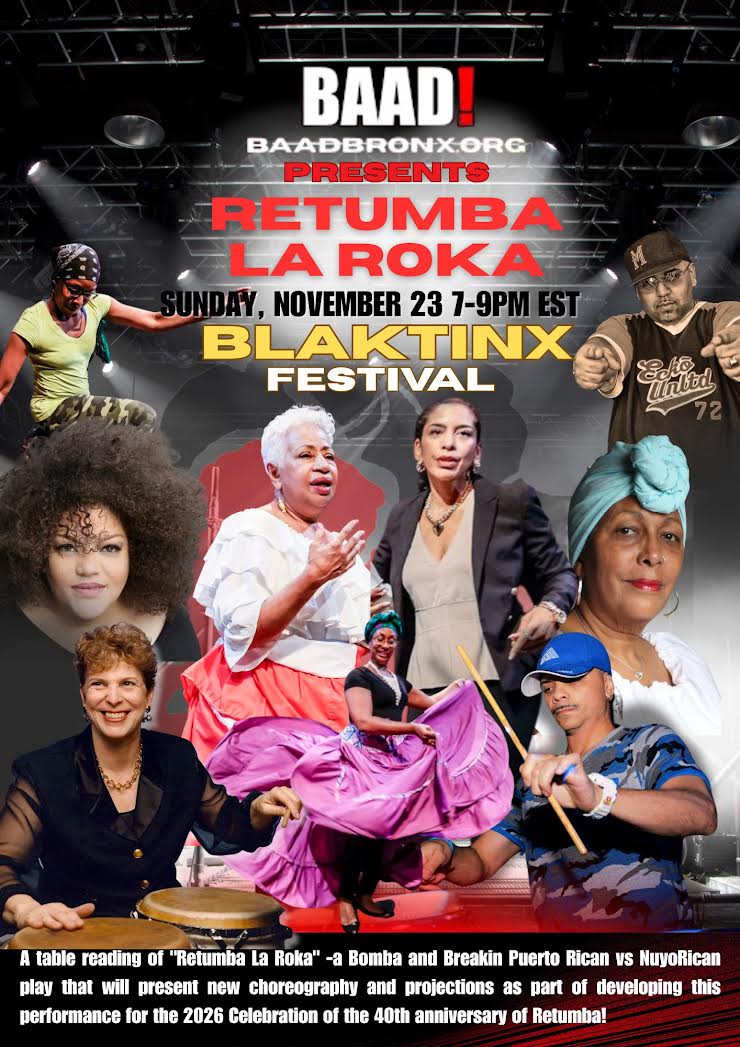
Being bad, or at least trying to be in The Bronx, has never been extremely difficult, and now it is even easier than you may realize.
The Bronx has a complex history and has seen significant changes over the decades. Some neighborhoods have gentrified, while others face ongoing challenges with poverty and infrastructure.
Crime and Public Safety The Bronx has historically had higher crime rates than other NYC boroughs, though this has fluctuated over the years. If there are recent trends showing increases in certain crimes, that would reflect broader patterns we've seen in many urban areas post-pandemic, including shifts in enforcement, economic pressures, and changing social dynamics.
Economic Challenges The Bronx remains the poorest urban county in America, with poverty rates around 25-30%. Economic vulnerability creates cascading problems - limited opportunities can push people toward underground economies or crime. Rising costs of living without corresponding wage growth squeeze residents further.
Social and Policy Issues
- Housing instability and displacement pressure
- Educational resource gaps compared to other boroughs
- Healthcare access disparities
- Infrastructure that's often been neglected compared to Manhattan or Brooklyn
- The cycle where disinvestment leads to deterioration, which attracts less legitimate investment
The "Easier Now" Element. This could reflect several concerning trends:
- Reduced consequences for certain offenses
- Economic desperation post-pandemic
- Weakened community institutions
- Technology is making certain criminal activities more accessible
- Social media potentially glamorizes or coordinates negative behaviors
The Bronx contains some of the poorest congressional districts in the nation. NY-15 (South Bronx) has been ranked as the poorest congressional district in the US, with poverty rates that have approached 40% or higher in certain areas. The "nearly half" figure you mention is accurate for specific neighborhoods within the Bronx, though the borough-wide average is somewhat lower but still extremely high compared to national standards.
The Interconnected Crisis. These factors create a vicious cycle:
Single-Parent Households: The Bronx has one of the highest rates of single-parent families in the country - often exceeding 60% in some neighborhoods. Single parents face:
- Limited time for child supervision while working multiple jobs
- Reduced household income
- Less capacity to engage with schools or monitor homework
- Higher stress that impacts family stability
Education Crisis: High school graduation rates in the Bronx have historically lagged behind other boroughs. When students drop out:
- Employment prospects shrink dramatically
- Earning potential is severely limited
- The cycle of poverty continues into the next generation
- Young people may turn to street economies for income
The Compounding Effect of Poverty → Limited parental availability → Kids struggle in under-resourced schools → Drop out → Limited job prospects → Poverty continues → Next generation faces the same challenges
Being Bad Becomes Easier In this environment:
- Legitimate pathways to success feel blocked or invisible
- Immediate survival needs override long-term planning
- Peer influences may normalize illegal activities
- Authority figures (schools, police) may be seen as adversarial rather than helpful
- The risk-reward calculation shifts when you have little to lose
Contact:
Yvette Martinez
One World Arts, Inc
¡Retumba!
P.O. Box 7
Bronx, NY 10464-0007
718-885-2574
718-885-2577 - fax
646-919-5794 - cell