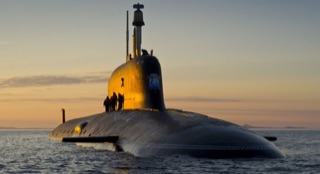
With the watchful protection of the Russian Navy's Yasen Class Nuclear Powered Attack Submarine, Putin highlighted the delivery of about 100,000 tons of oil to Cuba as a sign of continued support for the island amid a severe energy crisis. However, analysts say the shipment’s practical impact is limited.
Meanwhile, the Russian tanker Anatoly Kolodkin docked in Cuba on March 30, marking the country’s first oil delivery in roughly three months. The shortage had contributed to widespread disruptions, including daily blackouts lasting up to 12 to 20 hours and shortages of fuel, food, and medicine affecting the island’s 10 million residents.
Cuba’s energy crisis deepened after oil shipments from Venezuela were halted earlier in the year following political upheaval there, cutting off a key source of subsidized fuel.
Russian officials described the shipment as part of Moscow’s effort to support Cuba during a difficult period, while Cuban diplomats framed the delivery as a signal of enduring ties between the two countries.
“This was more than the arrival of oil; it was a message that Russia would support Cuba at a critical moment,” Cuban Ambassador Juan Carlos Marsan Aguilera said in remarks carried by Russian state media.
The United States maintains extensive sanctions on Cuba and has warned of consequences for some entities involved in supplying oil to the island. However, U.S. authorities allowed the Russian tanker to proceed, underscoring the complexity of enforcement amid humanitarian concerns.
Experts say the shipment may provide only short-term relief, covering roughly a week of demand under rationing, and does not resolve Cuba’s broader structural energy challenges.
Russia has indicated it may continue shipments, though it remains unclear whether it can replace Venezuela as Cuba’s primary energy supplier.