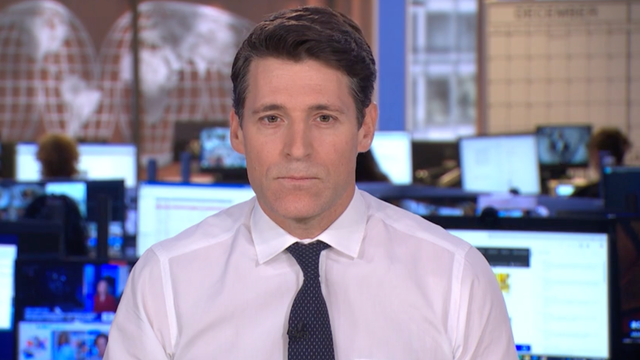
CBS has unveiled a new news chief and anchorman for the CBS Evening News, elevating two untested individuals at the moment when the network needs clarity, steadiness, and restraint.
Instead, its choices have become entangled in controversy not over reporting, but over tone, authorship, and intent, an unforced error that reflects deeper problems inside CBS News.
Dokoupil has faced online criticism, including from prominent television figures such as Andy Cohen, after circulating a personal “mission statement” describing his vision for the broadcast. The language sparked immediate speculation that Bari Weiss had a hand in writing it, a claim Dokoupil has denied. Whether fair or not, the episode exposed a startling reality: CBS News now operates in an environment where its own journalists’ words are viewed through a prism of ideological suspicion.
That is not only a Tony Dokoupil problem. It is a lack of experienced leadership problem.
Anchor transitions are meant to project institutional confidence. They are choreographed moments designed to reassure viewers that, whatever is happening in the wider media ecosystem, the newsroom remains steady, principled, and focused on the work. CBS managed to achieve the opposite, turning what should have been a routine evolution into a public relations distraction.
I’ve seen this movie before. I’ve been involved in several media startups and turnaround projects, environments where mission clarity wasn’t aspirational; it was existential. In those moments, leadership understood a simple truth: credibility doesn’t come from manifestos. It comes from consistent editorial judgment, clear standards, and a newsroom culture that doesn’t lurch from controversy to cleanup.
At CBS, the warning signs have been flashing for some time. Internal tensions, public controversies, and visible leadership churn have created a vacuum — one where individual journalists are left to carry institutional weight that should never rest on their shoulders alone. When anchors are asked to define the mission publicly, it often means executives have failed to define it privately.
For those of us who grew up revering the Tiffany Network, this moment lands with particular sadness. CBS News was once synonymous with authority, independence, and moral seriousness. It didn’t chase relevance; it embodied it. The brand didn’t need explaining because the work explained itself.
I fear for my friends and former colleagues who remain inside the organization, doing honest journalism amid uncertainty. They deserve leadership that protects the newsroom from becoming the story, not leadership that inadvertently ensures it will.
Mission statements don’t rebuild trust. Corporate reorgs don’t either. Journalism does. And until CBS recommits, visibly and consistently, to the values that once defined it, no anchor transition, however carefully staged, will convince audiences that the compass has been found again.
From one trigueño to another, presenting a Rubio. https://x.com/CBSEveningNews/status/2008715918084370736?ref_src=twsrc%5…
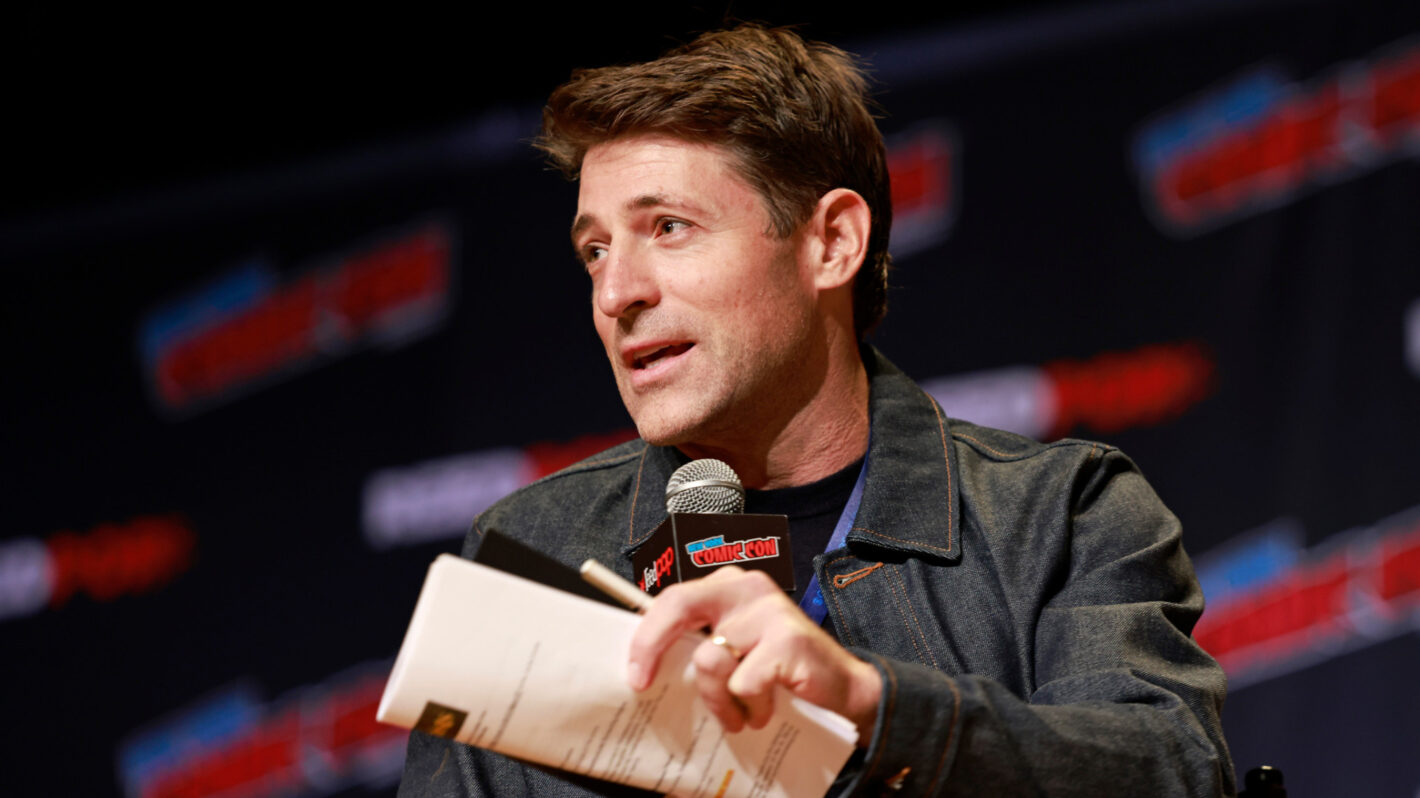


:max_bytes(150000):strip_icc():focal(688x331:690x333)/tony-dokoupil-cbs-evening-news-010626-1-de09648cd3ea4495a7d13d7b428adc19.jpg)

