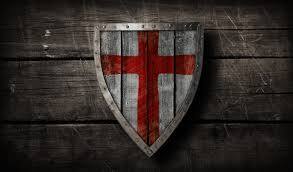
The Crusades were a series of religious wars fought between Christians and Muslims from 1096 to 1291. Their primary goal was to secure control of holy sites in the Middle East, particularly Jerusalem. A complex interplay of religious fervor, political ambition, and economic interests marked these conflicts.
First -1096-1099
Capture of Jerusalem; establishment of Crusader states.
Second -1147-1149
Failed attempt to recapture Edessa.
Third -1189-1192
Led by Richard the Lionheart, there was partial success in capturing Acre.
Fourth -1202-1204
Diverted to Constantinople; establishment of the Latin Empire.
Fifth -1217-1221
Attempt to capture Egypt; failed.
Sixth -1228-1229
Led by Frederick II, the temporary control of Jerusalem.
Seventh -1248-1254
Led by Louis IX, captured Damietta but failed to advance further.
Eighth -1270
Final Crusade, aimed to recapture Tunis, ended without significant gains.
Impact of the Crusades
The Crusades had lasting effects on both Europe and the Middle East:
- Religious Influence: They intensified the divide between Christianity and Islam.
- Political Changes: The establishment of the Crusader states altered the political landscape in the region.
- Economic Effects: Increased trade between Europe and the Middle East, introducing new goods and ideas.
The Crusades represent a significant chapter in medieval history, shaping the relationships between different cultures and religions for centuries to come. https://en.wikipedia.org/wiki/Crusades