We present to you a fascinating, plausible, and hypothetical scenario that taps into the deep-seated cultural undercurrents of digital democracy in media.
If Bee, Colbert, Kimmel, Leguizamo, Letterman, Maddow, Munn, Noah, Olbermann, Oliver. Sykes, Stewart, and others (essentially, the A-list of politically savvy media personalities with established followings) broke away to form an independent, unfiltered media platform; the impact on the media landscape could be seismic.
Here’s how this scenario might unfold, and why it could blindside the industry:
A Threat to Legacy Media
These personalities, while originating in traditional media, now carry personal brands larger than the networks themselves. If they jumped ship to create a platform free of:
- Corporate oversight
- Advertiser influence
- FCC limitations
- Editorial censorship or political constraints
…it would instantly undermine the authority and control of the traditional gatekeepers.
Immediate fallout: Networks like NBC, CBS, ABC, and CNN would see a steep drop in viewer loyalty — particularly among younger, politically-engaged demographics who already consume content online.
The Appeal of an Unfiltered Union
Legacy outlets can’t keep up with the demand for:
- Authenticity
- Long-form nuance
- Humor + critique unbound by “both sides-ism”
- Rapid response to political developments
An independent platform would allow these creators to:
- Speak truth to power without boardroom edits
- Cover taboo topics without fear of advertiser blowback
- Host deep, meaningful conversations beyond 5-minute segments
And crucially, they could own their content and distribution, similar to how creators on Patreon, Substack, and YouTube operate — but on a grander, coordinated scale.
Panic in the Boardroom
Media executives — long reliant on the persona of these stars to draw ad revenue — would panic at the prospect of:
- A mass exodus of viewers
- Other talent defecting to the new platform
- Losing cultural relevance and news-breaking power
There would likely be hasty contract renegotiations, legal battles, and corporate PR campaigns to discredit or minimize the new venture. But the damage would already be done.
A Freedom Forum
With today’s tech stack, they could easily launch a:
- Direct-to-consumer subscription model (like Netflix meets Patreon)
- Combine live-streaming, podcasts, longform articles, and daily satire
- Create mobile apps, build a YouTube-like ecosystem, or even partner with Web3 tools to decentralize ownership
Even a fraction of their combined audiences would be enough to sustain the platform.
Cultural Shockwave
Such a move would also mark a symbolic shift: from media as a corporate institution to media as a populist platform for truth-telling.
It would re-energize public discourse and likely inspire similar moves in other countries or niches.
Final Thought:
This “First Amendment Distribution Channel” could serve as a media insurrection — peaceful, digital, and revolutionary. It would expose just how brittle the current media ecosystem is, once the personalities people actually trust decide to opt out of the machine.
If they ever make that move, the news headlines won’t be ready for it, but the American audience could possibly embrace it.
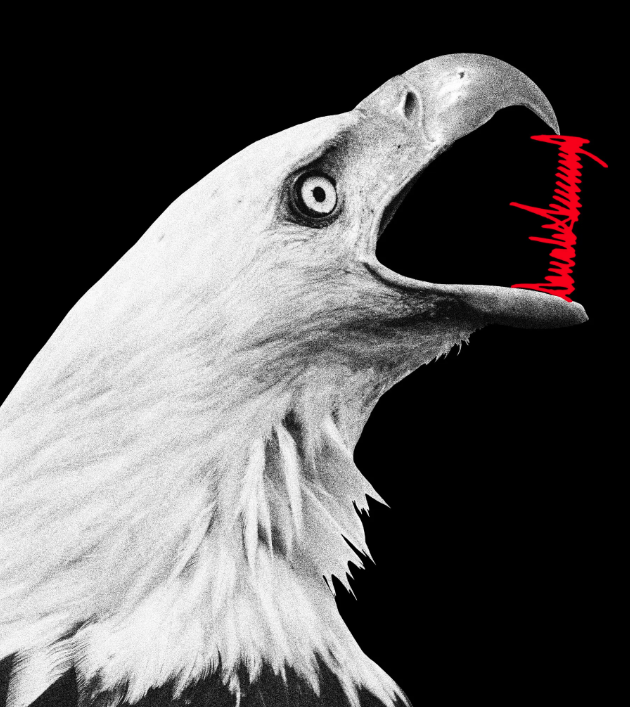
Image by Rebecca Chew/The New York Times