El Barrio is one of the most culturally significant Latino neighborhoods in the USA. Here’s a backgrounder.
Long recognized as a cultural center for Latinos in New York City, El Barrio emerged as a hub of Latino life following large-scale migration after World War II. The neighborhood remains a focal point of Puerto Rican heritage, though it has grown increasingly diverse, with strong Mexican, Caribbean, and other Latin American influences.
El Barrio is home to prominent cultural institutions, including El Museo del Barrio, which showcases Latin American and Caribbean art. The area is also known for its community gardens, public murals, including tributes to figures such as the late Celia Cruz.
The neighborhood’s culinary scene reflects its cultural roots, with restaurants serving Puerto Rican, Mexican, and other Latin American cuisines.
Originally home to Italian immigrants in the late 19th and early 20th centuries, East Harlem transitioned into a predominantly Puerto Rican community in the mid-20th century. Today, it continues to evolve while maintaining its cultural identity amid ongoing economic and demographic changes.
Latino cultural center: For decades, El Barrio has been a symbolic and literal hub of life in NYC. After World War II, large-scale migration transformed the area into the heart of the Latino diaspora.
Geography: The boundaries you gave roughly 96th to 139th Streets, between Fifth Avenue and the East River.
Cultural institutions: Places like El Museo del Barrio are central to preserving and showcasing Latin American and Caribbean art and identity.
Food scene: Still a stronghold for Puerto Rican cuisine (like mofongo, pernil), while also reflecting Mexican, Dominican, and broader Latin American influences.
Not just Puerto Rican anymore: While Puerto Rican identity remains foundational, today the neighborhood is increasingly Dominican, Mexican, and Central American, alongside long-standing African American and smaller Italian legacies.
Art and activism: The murals (including tributes to figures like Celia Cruz) aren’t just decorative; they’re expressions of political history, migration, and community pride.
Gentrification pressures: Like many neighborhoods, El Barrio is experiencing rising rents and demographic shifts, which have sparked ongoing debates about cultural preservation vs. development.
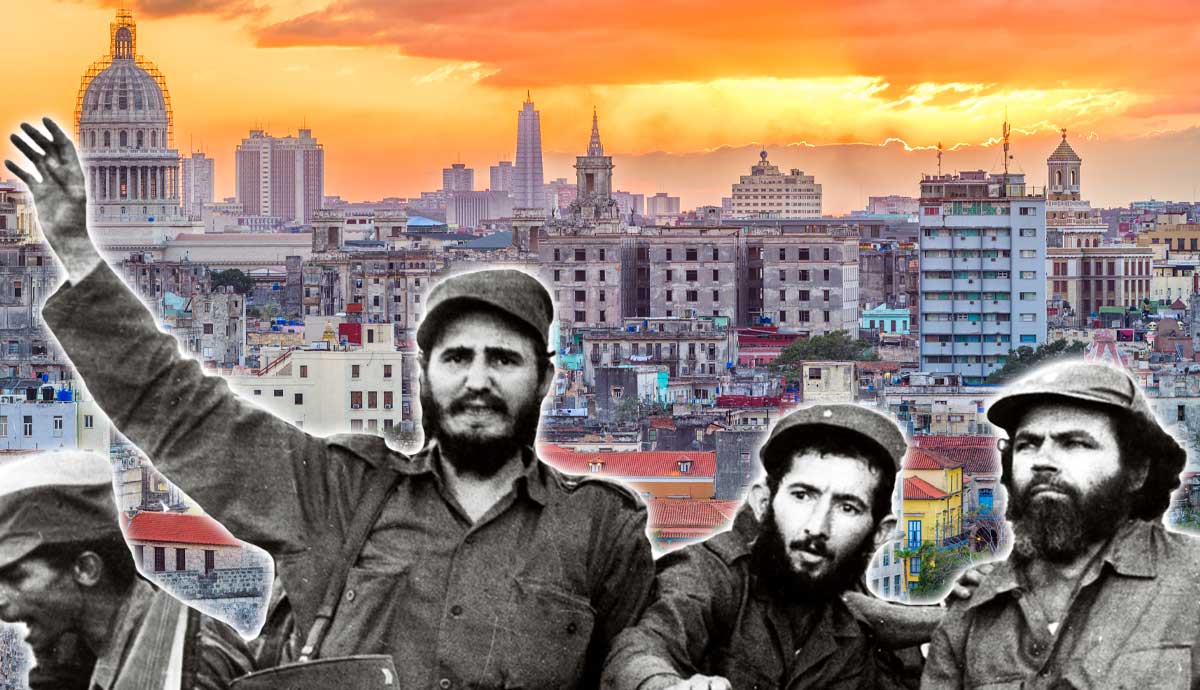
Cuba is 90 miles from Florida and played an outsized role in America's foreign policy for close to 70 years. Trump is blocking nearly all oil shipments from reaching the island, worsening its humanitarian crisis. https://www.cbsnews.com/video/next-cuba/
Vivimos El Barrio
https://m.youtube.com/watch?v=m1uDFz5j1OE&pp=ugUEEgJlbg%3D%3D
Cubanos also made history in sports. Fernando Mendoza left his mark at Roosevelt High School in Miami and will now be playing for the Las Vegas Raiders NFL team. Fernando Mendoza says the team enjoyed 'the most Hispanic fan base' The Cuban American quarterback's grandparents decided to flee Cuba when Castro seized control of the communist island. Thanks to "News Brother" Chuck Stewart for producing the Mendoza segment.