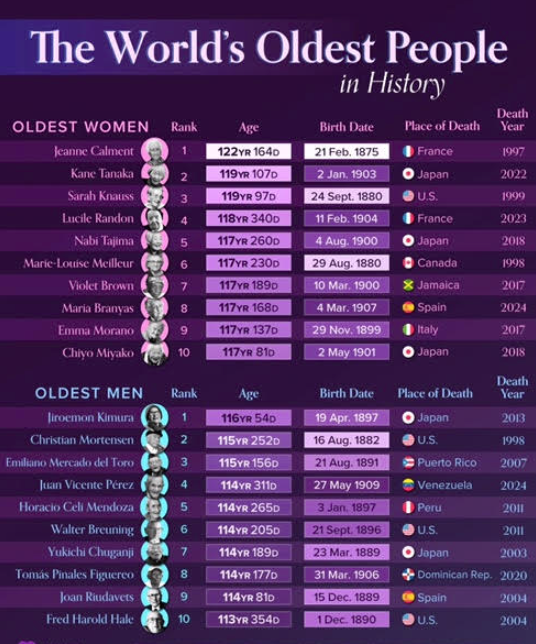
This most popular question happens to be a consistently observed pattern in human biology and demographics worldwide.
Across almost every country and era, women tend to live longer than men. The reasons aren’t simple, but researchers generally group them into biological, behavioral, and social factors:
- Hormonal protection:
Estrogen (the main female sex hormone) helps protect against heart disease by raising “good” cholesterol (HDL) and lowering “bad” cholesterol (LDL). Testosterone, by contrast, can increase risk-taking and aggression, which are linked to higher injury and mortality rates. - Genetic resilience:
Women have two X chromosomes, while men have one X and one Y. The X chromosome carries many genes critical for survival. If a damaging mutation appears on one X chromosome, women often have a backup; men do not. -
Immune system differences:
Women generally have stronger immune responses than men, possibly due to both hormones and genes. This helps them fight off infections and recover from illness more effectively. - Risk-taking behavior:
Men, on average, engage in riskier behaviors — such as reckless driving, dangerous jobs, substance abuse, and violence — all of which contribute to shorter lifespans. - Health-seeking habits:
Women are typically more proactive about preventive care — seeing doctors regularly, following treatment plans, and discussing symptoms early. Men are more likely to delay care. -
Substance use:
Historically, men have had higher rates of smoking, heavy drinking, and drug use, all of which contribute to heart disease, liver problems, and cancers. - Occupational hazards:
Men are overrepresented in physically dangerous or high-stress professions (construction, mining, military, etc.). - Violence and war:
Men are more likely to die from homicide or combat-related causes, especially in societies with high rates of conflict or inequality. - Stress and social ties:
Women often maintain stronger social networks, which provide emotional support and stress buffering — both linked to better long-term health.
Links
Topic