A marine heat wave stretching 5,000 miles is a major ocean event with global implications this summer.
A marine heatwave is a period of unusually warm ocean temperatures that lasts for days or longer. At that scale, it can span entire ocean regions and disrupt ecosystems, weather and economies.
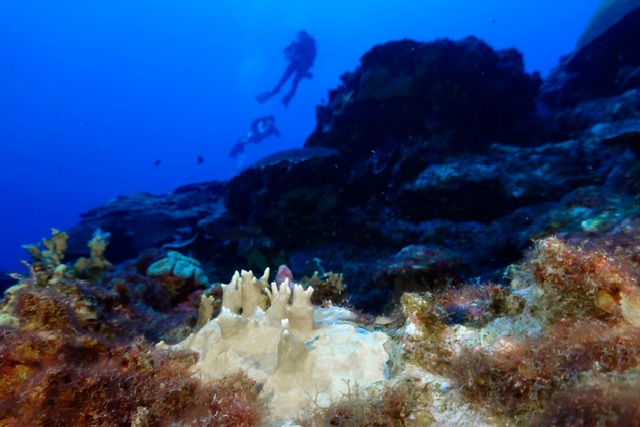
Such a large heat wave can stress marine life across vast areas. Coral reefs may bleach, fish populations can shift or decline, and food chains may be disrupted. A similar event, known as The Blob, caused widespread ecological damage in the Pacific Ocean.
The effects can extend beyond the water. Oceans play a key role in regulating weather, so a heat wave of this size can influence storms, rainfall and climate patterns, including the
(El Niño–Southern Oscillation.)
Warmer water also holds less oxygen, which can worsen low-oxygen zones and threaten marine species.
Scientists say large marine heat waves are becoming more frequent and intense as global temperatures rise, making them an important signal of broader climate change.
Ecological damage can be severe and long-lasting. Prolonged heat stresses, or can kill marine life. Coral reefs can also bleach and die, fish populations can collapse or move, and predators lose their food sources. During events like The Blob, entire food webs were disrupted, with effects lasting years.
Fisheries and economies will take a hit. When fish move or die off, commercial fishing can drop sharply. Coastal communities that depend on seafood and tourism can see major losses.
It can worsen extreme weather. Warm ocean water fuels storms and alters atmospheric patterns. A heatwave this large can influence rainfall, droughts or storm intensity, sometimes far from where the warming is happening.
Low-oxygen “dead zones” can expand. Warmer water holds less oxygen, making it difficult for marine animals to survive. In extreme cases, large areas become nearly uninhabitable.
Recovery is slow. Unlike land heatwaves, ocean heatwaves can persist for months or years, and ecosystems may take a long time to bounce back, if they recover at all.
At 5,000 miles, the harm isn’t localized, it’s widespread, multi-system and potentially long-term, affecting marine life, human economies and global climate patterns all at once.