Politics is a modern arena where ancient dominance behaviors play out, just in suits and speeches instead of fur and fists.
Let’s explore how evolutionary dominance is reflected in political behavior. How politicians rise to power and maintain it.
Dominance
Politics is fundamentally about:
- Competing for status and control (dominance hierarchy)
- Gaining the loyalty of followers (coalition-building)
- Outshining or undermining rivals
In this space, dominance displays include:
- Ego: commanding presence, public speaking, media manipulation
- Rhetorical power: bold promises, sharp insults, symbolic gestures
- Symbolic strength: staging patriotic or dramatic moments
- Strategic aggression: political takedowns, debates, or public callouts
These are non-violent equivalents of stamping, branch-dragging, or rock-throwing. The best political performers rise quickly and remain dominant for longer.
Vigorous Displays
“The more vigorous and imaginative the display, the faster the individual is likely to rise in the hierarchy, and the longer he is likely to maintain that position.”
Applies perfectly in politics. Think of:
Example:
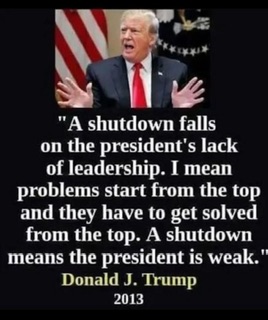
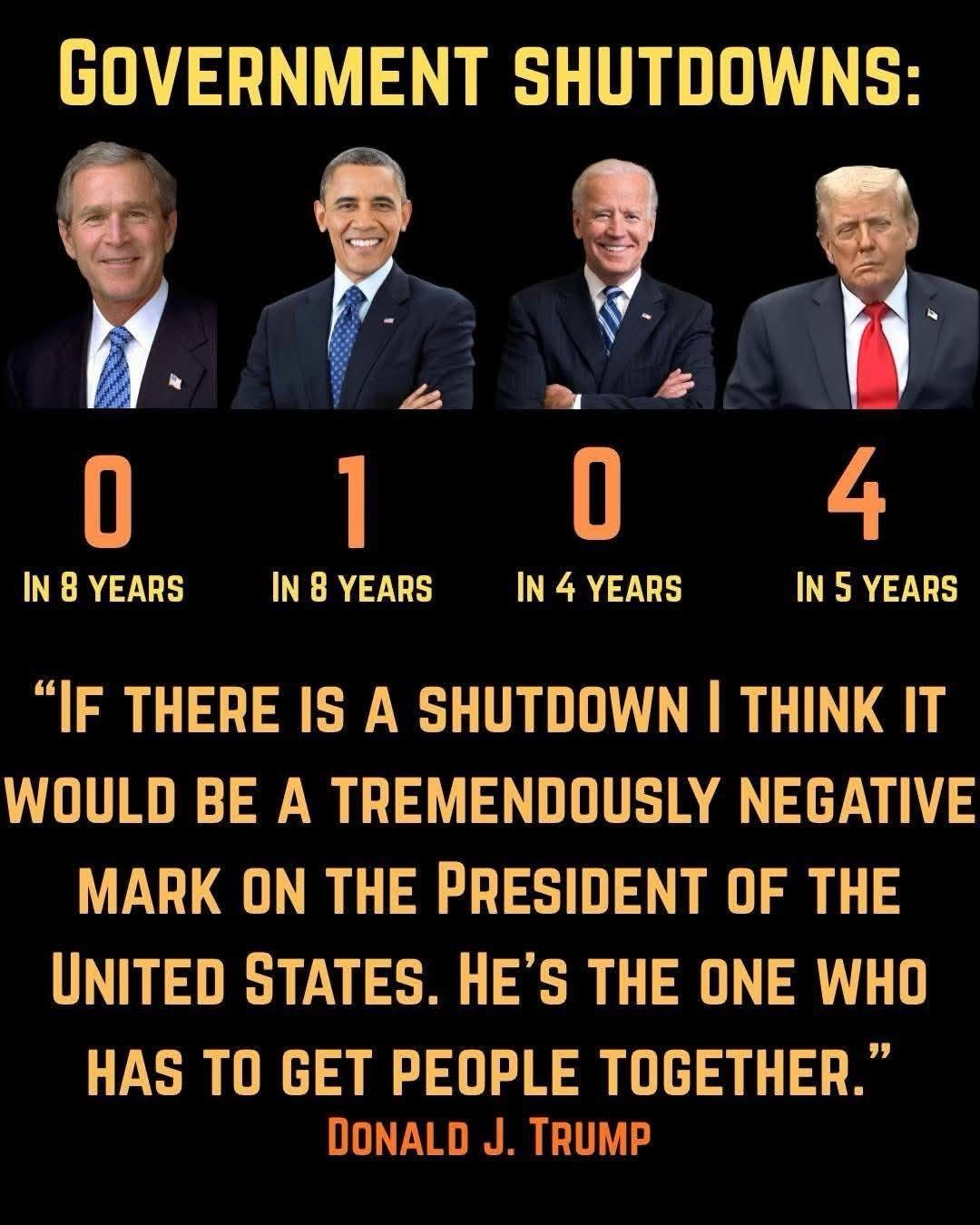
- Donald Trump: Rose through sheer spectacle, aggressive language, nicknames for rivals, massive rallies, and dominating media cycles.
This political figure stood out through strong, memorable performances, be it boldness, intellect, defiance, or emotional connection.
Behavior
Politics activates many primate instincts:
- Hierarchy recognition: Voters subconsciously assess dominance, competence, and trustworthiness.
- Tribal loyalty: Political parties mimic tribal coalitions, “us vs. them” thinking.
- Alpha displays: We instinctively respond to confidence, dominance, and leadership cues, even when we think we’re being rational.
Political leaders often succeed by tapping into ancient instincts through:
- Displays of power (military parades, strongman posturing)
- Displays of morality (virtue signaling, aligning with group values)
- Displays of intellect or vision (long-term thinkers, reformers)
Performing
Just like dominant chimpanzees must keep performing to stay at the top, political leaders have to:
- Manage media narratives (control perception)
- Continue symbolic gestures (rallies, speeches, foreign visits)
- Show strength during crises (wars, pandemics, scandals)
Lapses in performance—like appearing weak, indecisive, or disconnected can lead to rapid falls.
Politics is perhaps the most direct modern parallel to evolutionary dominance hierarchies:
- Leaders rise and stay on top not just by policy, but by performance, spectacle, and psychological resonance.
-
“Vigorous and imaginative displays” are still the key to status and influence—just in tailored suits and soundbites now.
leadership is not about being tough or intimidating It is about building trust, listening, and creating stability for others. When we offer calm when chaos is expected. I now realize that presence matters more than anything.