From Antilles to Airwaves: A Lifelong Journey in Island Smarts
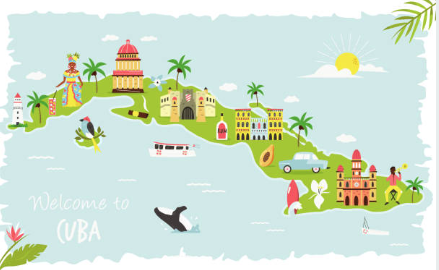
There are those who possess city smarts, sharp and fast-paced, and those with country smarts, rooted deep in the soil. But my wisdom has always belonged to the water. I am shaped by island smarts, a distinct brand of resourcefulness, resilience, and tactical grit forged across two vastly different worlds: the vibrant, sun-drenched streets of Habana, Cuba, and a mile-and-a-half slice of Bronx paradise known as City Island, New York.
Growing up under the Cuban sun, island smarts was a matter of daily survival and beautiful artistry. It was the innate spirit of resolver—the master class of fixing what was broken with whatever was at hand, whether mending a fishing line or keeping a vintage engine running on sheer willpower. It was learning to read the changing color of the Caribbean sky, respecting the shift of the tides, and relying on an unbreakable community where neighbors shared everything they had.
When I brought those roots north in the 1990s, I found my permanent anchor in an unlikely New York enclave. City Island felt like an enchanted secret, a maritime village sitting right at the edge of the metropolis. For over thirty years, I have lived and worked from this coastal sanctuary, watching the seasons roll across the Long Island Sound.
But my island smarts didn't just stay on the shoreline. I took that raw Cuban resourcefulness across the bridge to the US mainland and onto Manhattan Island, using it to navigate the high-stakes, fast-moving world of American news.
When we launched News 12 The Bronx, I was on the ground building the infrastructure, recruiting the talent, and training the staff that would give the borough its daily voice. Later, I took those leadership skills to the global stage, running operations from Manhattan as the New York Bureau Chief and Operations Director for North America for The Associated Press.
Managing breaking news across a continent requires the exact same mindset as captaining a ship through a storm: you keep a cool head, you manage your crew, you adapt instantly to shifting environments, and you rely on your own two hands to keep the broadcast moving.
Every evening, after directing the operations of the mainland, I crossed back over the bridge to my quiet enclave. Up here, my Cuban roots remained my greatest shield against the elements. When the fierce nor'easters howl off the water and freeze the Bronx coastline, I don't panic. My upbringing taught me to batten down the hatches and respect the atmosphere.
In this small village, my most valued sanctuary remains the old Fordham Street schoolhouse, the historic P.S. 17, saved from developers by the raw grit of local residents and preserved as the City Island Nautical Museum.
Inside, there is a replica of the old classrooms that once educated generations of native "Clamdiggers" and transplanted "Mussel Suckers" alike. Sitting in that quiet room, time seems to dissolve. It acts as a bridge for my soul. It instantly connects the youngster I once was, looking out of a classroom window in Habana, to the television pioneer I became on the mainland, to the adult I am now, looking out at the timeless waters of City Island.
Both worlds taught me the same fundamental truth: to live on an island is to be part of a living history, to look out for your neighbors, and to always know exactly what to do when the tide rolls in

De Antillas a Ondas: Una vida de ingenio isleño
Hay quienes poseen astucia urbana, rápida y acelerada, y otros que tienen sabiduría de campo, arraigada profundamente en la tierra. Pero mi entendimiento siempre ha pertenecido al agua. Estoy moldeado por el ingenio isleño (island smarts), una marca distinta de recursos, resiliencia y coraje comunitario forjada a través de dos mundos infinitamente diferentes: las vibrantes calles bañadas por el sol de La Habana, Cuba, y un pedazo de paraíso neoyorquino de una milla y media conocido como City Island, Nueva York.
Al crecer bajo el sol cubano, el ingenio isleño era una cuestión de supervivencia diaria y un hermoso arte. Era el espíritu innato de resolver: la maestría de arreglar lo que estaba roto con lo que hubiera a mano, ya fuera remendar una línea de pesca o mantener un motor clásico en marcha a pura fuerza de voluntad. Era aprender a leer el color cambiante del cielo caribeño, respetar el cambio de las mareas y confiar en una comunidad inquebrantable donde los vecinos compartían todo lo que tenían.
Cuando traje esas raíces hacia el norte en la década de 1990, encontré mi ancla permanente en un rincón improbable de Nueva York. City Island se sentía como un secreto encantado, un pueblo marítimo asentado justo en el borde de la gran metrópolis. Durante más de treinta años, he vivido y trabajado desde este santuario costero, viendo pasar las estaciones sobre el Long Island Sound.
Pero mi ingenio isleño no se quedó solo en la orilla. Llevé esa profunda capacidad de resolución cubana al cruzar el puente hacia el continente estadounidense y hacia la isla de Manhattan, usándola para navegar el mundo de alta presión y ritmo acelerado de las noticias en Estados Unidos.
Cuando lanzamos News 12 The Bronx, estuve en el terreno construyendo la infraestructura, reclutando el talento y capacitando al personal que le daría al condado su voz diaria. Más tarde, llevé esas habilidades de liderazgo al escenario global, dirigiendo operaciones desde Manhattan como Jefe de la Oficina de Nueva York y Director de Operaciones para América del Norte de The Associated Press (AP).
Gestionar noticias de última hora a lo largo de un continente requiere exactamente la misma mentalidad que capitanear un barco en medio de una tormenta: mantener la cabeza fría, guiar a la tripulación, adaptarse instantáneamente a los cambios del entorno y confiar en tus propias manos para mantener la transmisión en marcha.
Cada noche, después de dirigir las operaciones del continente, cruzaba de regreso el puente hacia mi tranquilo refugio. Aquí arriba, mis raíces cubanas siguieron siendo mi mayor escudo contra el clima. Cuando los feroces vientos del noreste (nor'easters) rugen sobre el agua y congelan la costa del Bronx, no entro en pánico. Mi crianza me enseñó a asegurar las escotillas y respetar la atmósfera.
En este pequeño pueblo, mi santuario más preciado sigue siendo la antigua escuela de la calle Fordham, la histórica P.S. 17, salvada de los promotores inmobiliarios por el puro coraje de los residentes locales y preservada como el Museo Náutico de City Island.
Por dentro, alberga una réplica de las viejas aulas que alguna vez educaron a generaciones de nativos "Clamdiggers" (buscadores de almejas) y residentes adoptivos "Mussel Suckers" (chupadores de mejillones). Al sentarse en esa habitación silenciosa, el tiempo parece disolverse. Actúa como un puente para mi alma. Conecta instantáneamente al joven que una vez fui, mirando por la ventana de una escuela en La Habana, con el pionero de la televisión en el que me convertí en el continente, y con el adulto que soy ahora, contemplando las aguas eternas de City Island.
Ambos mundos me enseñaron la misma verdad fundamental: vivir en una isla es ser parte de una historia viva, cuidar de tus vecinos y saber siempre exactamente qué hacer cuando sube la marea.