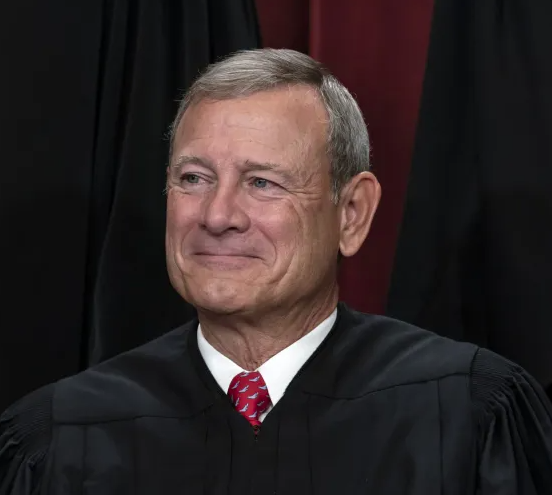
SCOTUS Chief Justice John Roberts’ Legacy after 20 years on the High Court are punctuated by a series of episodes.
That moment on July 1, 2024, when Chief Justice John Roberts delivered the Supreme Court’s majority opinion declaring presidential immunity from criminal prosecution for official acts, is indeed shaping up to be the defining moment of his judicial legacy.
While Roberts has long cultivated an image of institutional moderation and respect for precedent — famously comparing judges to umpires who “call balls and strikes” — this decision marked a profound assertion of presidential power, with far-reaching implications for the American legal and political landscape.
Why This Is Central to Roberts' Legacy:
- Presidential Immunity Redefined:
The ruling in Trump v. United States held that a president has absolute immunity from criminal prosecution for acts within their official duties, and at least a presumption of immunity for other actions. This effectively shielded Donald Trump from being tried before the 2024 election, altering the legal and political stakes. - Judicial Timing as Political Impact:
As Prof. Jed Shugerman noted, Roberts’ role was not only legal but procedural. By managing the pace of the Court’s response — slow-walking the case through the spring and delivering the opinion just before the July 4th holiday — the Court prevented a trial before the election. This led many legal scholars to argue that Roberts used the Court’s power of timing to influence electoral dynamics, even as he claimed neutrality. - Criticism of Institutional Neutrality:
Critics argue that this moment undermines Roberts’ long-standing goal of protecting the Court’s image as apolitical and above partisan fray. The decision, while rooted in constitutional interpretation, arrived in a deeply polarized political context, and many saw it as a shield for a former (and possibly future) president facing multiple indictments. - Comparison to Landmark Decisions:
Roberts' role in upholding the Affordable Care Act in 2012 showed a willingness to preserve major legislation even if it meant crossing ideological lines. In contrast, the 2024 immunity ruling aligns with a conservative vision of executive power — more in line with the unitary executive theory advanced by Trump-era legal thinkers.
Roberts’ Legacy in a New Light:
Roberts' legacy now stands at a crossroads:
- For supporters, he may be seen as defending the Constitution's vision of a strong, independent executive.
- For critics, he may be remembered as the Chief Justice who enabled impunity and eroded accountability at the highest level of government.
Links
Topic