The GOP may yet find a path out of its political valley. But it is difficult to escape the shadows when the country is bathed in sunlight. A hopeful president, carried through a jubilant summer by parades, celebrations, and a spirit of national optimism, changes more than the mood—he changes the political weather. In seasons like these, hope has a momentum of its own, and those betting on discontent often find themselves rowing against the tide.
History follows no libretto and it can’t be erased as it explains where we've been, provides warnings and teaches lessons about our responsibilities, that democracy does not sustain itself. Its survival depends on citizens willing to defend constitutional government, strengthen democratic institutions and expand political participation. It also has required vigilance against movements at home that seek to weaken constitutional limits on power and against authoritarian governments abroad that reject liberal democratic principles.
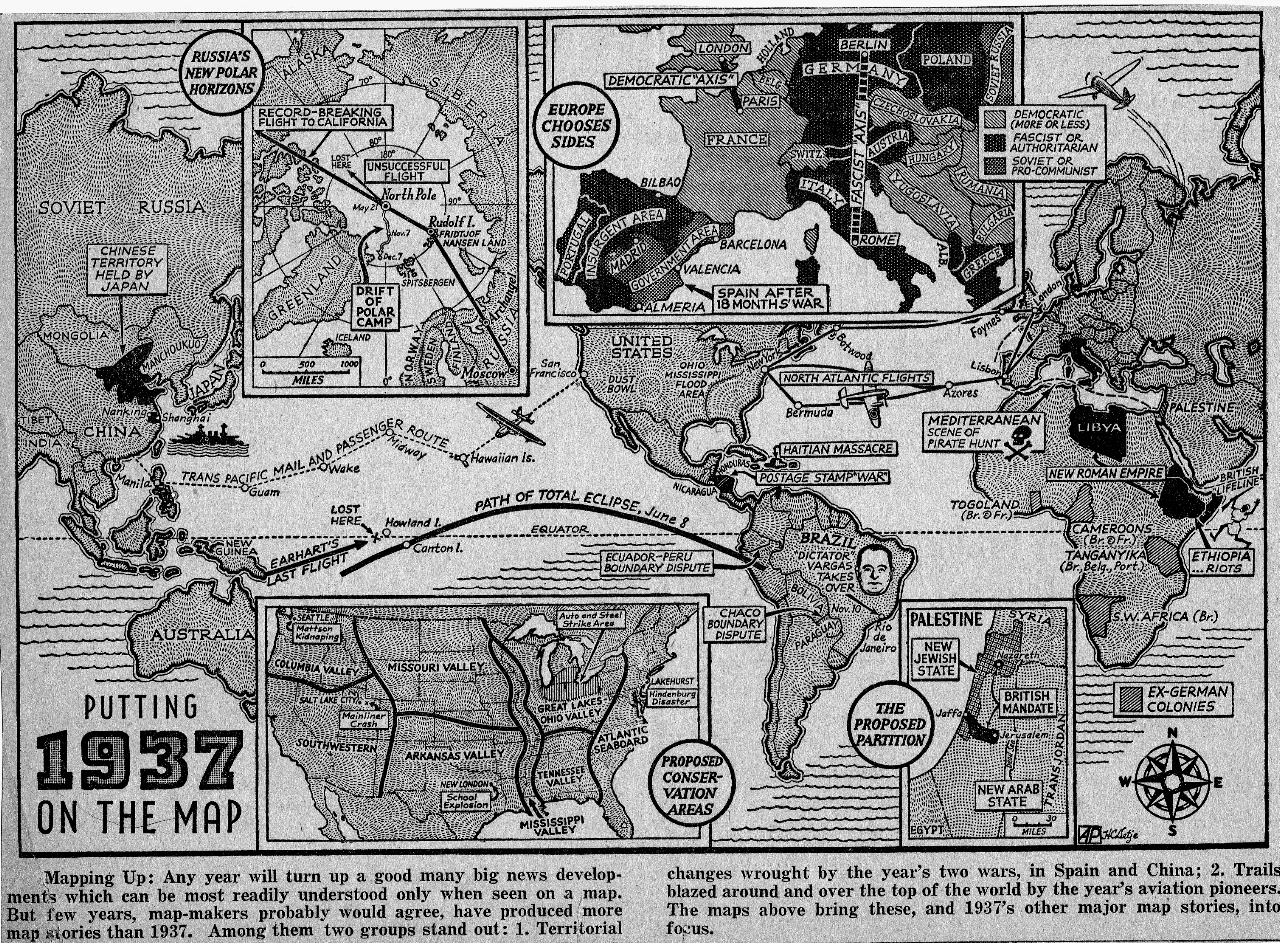
When President Franklin D. Roosevelt addressed the nation from Chicago in 1937, many Americans still believed the United States could remain insulated from the crises unfolding overseas. Europe was moving toward dictatorship. War had already spread across parts of Asia. Democratic governments appeared divided and ineffective, while authoritarian regimes projected confidence and strength. In many countries, growing numbers of people questioned whether constitutional democracy was capable of addressing the economic and political upheavals of the era.
Roosevelt recognized that democracies often decline from within before they are defeated from without. Public confidence in democratic institutions, he believed, was as essential to national security as military preparedness.
Many historians compare today's political divisions to those that preceded the Civil War, pointing to deep polarization, competing constitutional interpretations and widening cultural divisions. Those similarities are significant.
Viewed in a broader international context, however, the present moment also invites comparison with 1937. The United States again faces a world in which authoritarian governments are expanding their influence while democratic societies confront internal polarization, economic uncertainty, rapid technological change and sustained campaigns of disinformation. As in the years before World War II, one of the central questions is not only whether democracies can confront external threats, but whether their own citizens will retain confidence in democratic government itself.
Will we see a dark summer of chaos and violence, of power grabs and preparing for an authoritarian fall season? Each and every citizen must register and cast a ballot to defend our government, strengthen democratic institutions and expand political participation with vigilance against movements at home to weaken constitutional limits on power.