Life isn’t waiting for us to feel ready or aligned; it keeps moving. That can feel a bit cold, but there’s also something freeing in it. If things keep going no matter what, then small choices actually matter more than big declarations. We don’t need a perfect plan, just a willingness to steer in the direction we should.
missed chances don’t end the story
bad days don’t define it
nothing meaningful happens by accident
So it’s less about controlling everything and more about not drifting completely on autopilot.
As a journalist and media maestro I know - Headlines fade fast. Headway is quiet, but it accumulates, even while life is continuing. If we zoom in on today, not forever, what would count as headway for before the day’s over?
My parents would say; Live the present that’s why they call it a gift 🎁. it’s easy to drift into chasing attention instead of building something meaningful. The algorithms aren’t evil, but they’re very good at rewarding what’s immediate, not what’s lasting. If you don’t set your own direction, they’ll gladly set it for you.
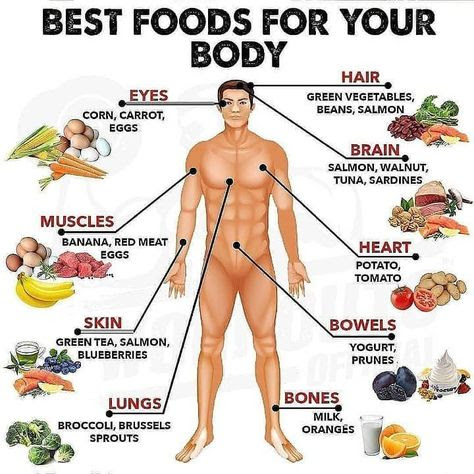
Our health ties in more than it seems. Eating well, moving your body, those are long-game habits. They don’t give instant spikes of validation, but they compound quietly over time. Same with living intentionally, choosing what actually matters instead of what’s loud or trending.
Are we doing what we wish? is a difficult question. Most people mix signals, they do some things they care about, and a lot of things out of habit, pressure, or distraction. That’s not failure, just reality. But it means the question is worth asking regularly.
The lives we touch grounds it. It’s easy to frame everything as personal fulfillment, but impact tends to come from how you show up for others, consistently, not performatively.
We must take care of our body
We need to choose intention over noise
We should measure our life by depth, not visibility
We must not forget that we are not the only character in the story
Solid -Not flashy. It is the kind of guidance that actually holds up over time.
There is a concept called socioemotional selectivity theory. The idea is simple. As we age and realize that time feels more limited, our priorities change.
We stop chasing novelty and expansion, and we begin investing more deeply in a healthy lifestyle, one that actually matters. Research found that this motivational shift explains something that surprised even the scientists: older adults, despite losing status, physical health, and broad social networks, consistently report higher emotional well-being than younger adults. They referred to it as the "paradox of aging."
Anyone in their sixties or seventies who feels vaguely guilty about not wanting to fill their days the way they once did, about finding a smaller circle more satisfying than a crowded room. I want you to hear this: that feeling is not failure. It may be the wisest thing about you. Research from the American Psychological Association confirmed that older adults with smaller networks showed no decline in social satisfaction or well-being. If anything, they reported better well-being than their younger, busier counterparts.
A published research paper entitled “Healthy Living Is the Best Revenge” found that practicing simple, healthy lifestyle factors has a strong impact on preventing chronic diseases. We’re talking nearly 80%, slashing diabetes risk by 93%, reducing heart attack risk by 81%, and cutting stroke risk in half, as well as cancer risk by 36%.In the United States every year, there are half a million first heart attacks, half a million first strokes, a million new cases of diabetes, and a million new cancer diagnoses. Practicing a few healthy behaviors can have a huge impact.
Additionally:
- Stop smoking and drinking
- Stop being overweight
- Regular exercise each day
- following a healthy diet, including fruits, vegetables, whole grains, and less meat
Follow these simple rules and boom. Enjoy nearly 80 percent reduced risk of major chronic diseases.
Finally the Norwegian city of Bergen rose to the top of the list as the place where people have the best chance of living to 100, according to a new study by World Depopulation, a global demographics analytics tool. The community, which hugs Norway’s southwestern coast, received the study's highest longevity score thanks to its top environmental conditions and quality of life (ranked 4th worldwide). The national life expectancy in Bergen was 83.76 years, according to the study, with low national smoking rates.
