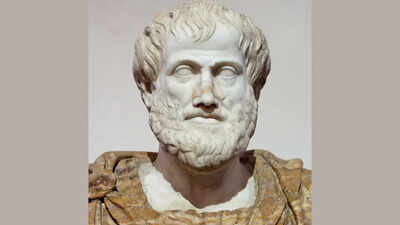
Aristotle was quoted as saying that anger isnot bad, but an emotion that for the "right reason," can be virtuous.
He defined it as a painful desire for revenge in response to a perceived, undeserved slight. The key to virtuous anger is moderation, feeling it at the right time, for the right reasons, and in the right amount. Don’t Boo, VOTE
A "Mean" Virtue: In his Nicomachean Ethics, Aristotle positions proper anger (good-temperedness) as the virtuous mean between two extremes: Irascibility (excessive anger) and Lack of spirit (deficiency of anger).
Purposeful Anger: Anger serves useful functions, such as mobilizing energy to end a social or emotional threat and restoring damaged status.
The "Slight": Anger is specifically triggered by a perceived insult or contempt, especially when it comes from those who are not justified in providing it.
The Role of Pain and Pleasure: Anger is painful because of the insult, but it also carries pleasure in the hope of future retaliation.
His Famous Quote: "Anybody can become angry; that is easy. But to be angry with the right person and to the right degree and at the right time and for the right purpose, and in the right way—that is not within everybody's power and is not easy".
Anger Properly Directed
Aristotle believed that being angry is justified, and even necessary, when facing wrongdoings, but it should not override reason. A virtuous person is not emotionless but controls their anger, making them "ready to pardon" rather than quick to seek vengeance.