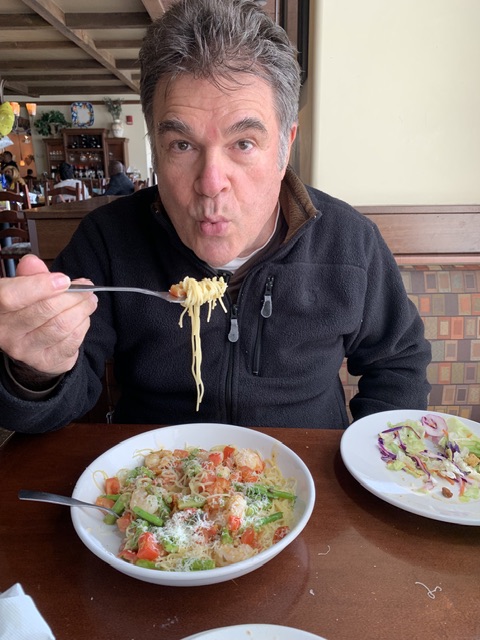
My Global Culinary Staple Noodles are a versatile food made from unleavened dough, rolled flat and cut into long strips or strings.
Now that I am no longer on the streets, developing businesses and multilingual content, I can take my time to enjoy a noodle meal.
A word to the wise, don't eat too much. Delicious food is difficult to resist during the holidays. Our favorite time of the year allows
temptation for overindulgence. Prioritize rest. Sleep deprivation can affect the hormones that regulate hunger and fullness. Getting enough rest can help stabilize these signals.
I developed a taste for noodles from my wonderful wife, who also enjoys it. Noodles serve as a staple in many cultures and are a fundamental component in various cuisines, ranging from Italian pasta to Asian favorites like ramen and pad thai.
- Wheat Noodles
Includes Italian pasta (like spaghetti or lasagna), Japanese ramen and udon, and Chinese lo mein. - Rice Noodles
Common in Southeast Asian dishes such as pad thai and Vietnamese pho. - Buckwheat Noodles
Best known as soba, a traditional Japanese noodle often served hot or cold. - Egg Noodles
Made with wheat and eggs, commonly used in soups or casseroles. - Italian:
Spaghetti, lasagna, fettuccine alfredo - Chinese:
Lo mein, chow mein, dan dan noodles, noodle soups - Japanese:
Ramen, udon, soba - Thai:
Pad Thai, drunken noodles (pad kee mao), and khao soi - Filipino:
Pancit (can be made with bihon, canton, or sotanghon noodles) - Stir-Fries
Tossed with vegetables, sauces, and proteins for a quick meal. - Soups
Served in rich broths, such as ramen, pho, or chicken noodle soup. - Salads
Cold noodle salads with fresh vegetables and savory dressings (e.g., sesame or peanut sauces). - Casseroles & Bakes
Used in baked dishes like tuna noodle casserole or kugel. - Eat slowly. It takes about half an hour for your brain to receive signals from your stomach that you are full. Eating more slowly gives your brain time to catch up and can help prevent you from overeating.
- Use smaller plates. Serving food on smaller plates can help control portion sizes. People tend to eat all the food they serve themselves, so a smaller plate helps to visually and psychologically manage intake.

:max_bytes(150000):strip_icc()/Health-GettyImages-HowToStopOvereating-44318273bedd45d1b29ab51381e88b85.jpg)