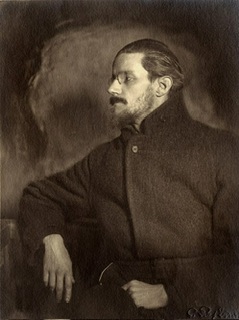
James Joyce wrote the modernist masterpiece Ulysses (1922), a challenging but influential novel renowned for its innovative use of the stream-of-consciousness technique, paralleling Homer's Odyssey in a single day in Dublin. Other key works include the short story collection Dubliners (1914), his semi-autobiographical novel A Portrait of the Artist as a Young Man (1916), and the highly experimental Finnegans Wake (1939), solidifying his status as a pivotal figure in 20th-century literature.
-
Considered his masterpiece and a landmark of modernism, depicting a day in the life of Leopold Bloom in Dublin on June 16, 1904 (now celebrated as "Bloomsday").
-
He perfected this narrative style, delving deep into characters' inner thoughts, which was revolutionary and controversial at the time.
-
A collection of short stories known for portraying the paralysis and stagnation of Dublin's inhabitants.
-
A Portrait of the Artist as a Young Man:
An influential künstlerroman (artist's novel) chronicling an artist's development.
-
His most difficult and experimental work, pushing the boundaries of language with complex wordplay.
-
He is regarded as one of the most important and influential writers of the 20th century, impacting modernist literature globally