Today, we are pointing at a truly significant social dynamic that may often be forgotten or easily overlooked.
The people who appear the most “put together” are frequently carrying the heaviest emotional load because they become everyone else’s safe place. They are dependable, emotionally available, calm in crisis, generous with time, and skilled at making others feel supported. Over time, people unconsciously begin to assume they don’t need support themselves.
Meanwhile, loneliness is easier for society to recognize when it is visible or socially awkward. We notice the isolated person sitting alone because the signal is obvious. But emotional exhaustion hidden behind competence, kindness, humor, reliability, or caretaking is more difficult to detect.
Many highly supportive people end up trapped in a role:
- They are the listeners, not the ones being listened to.
- The helper, not the helped.
- The organizer, not the one checked on.
- The emotionally strong person everyone leans on.
And because they rarely complain, people mistake resilience for a lack of need.
What makes it more difficult is that kind and helpful people often reinforce the cycle themselves. They become so accustomed to being useful that asking for care can feel uncomfortable, selfish, or even foreign. Some begin to believe their value comes primarily from what they provide to others.
We call them volunteer social workers. Many people informally take on emotional labor for entire families, friendly groups, workplaces, or communities without recognition, boundaries, compensation, or reciprocal care. They absorb stress quietly while helping stabilize everyone around them.
One of the hardest truths is this: The people who make others feel less alone are often the ones most likely to feel emotionally unseen themselves.
That’s why meaningful support sometimes requires looking beyond who appears isolated and paying attention to:
- Who is always carrying the conversation emotionally,
- Who constantly checks on others,
- Who never seems to ask for anything,
- And who is “fine” every single time you ask.
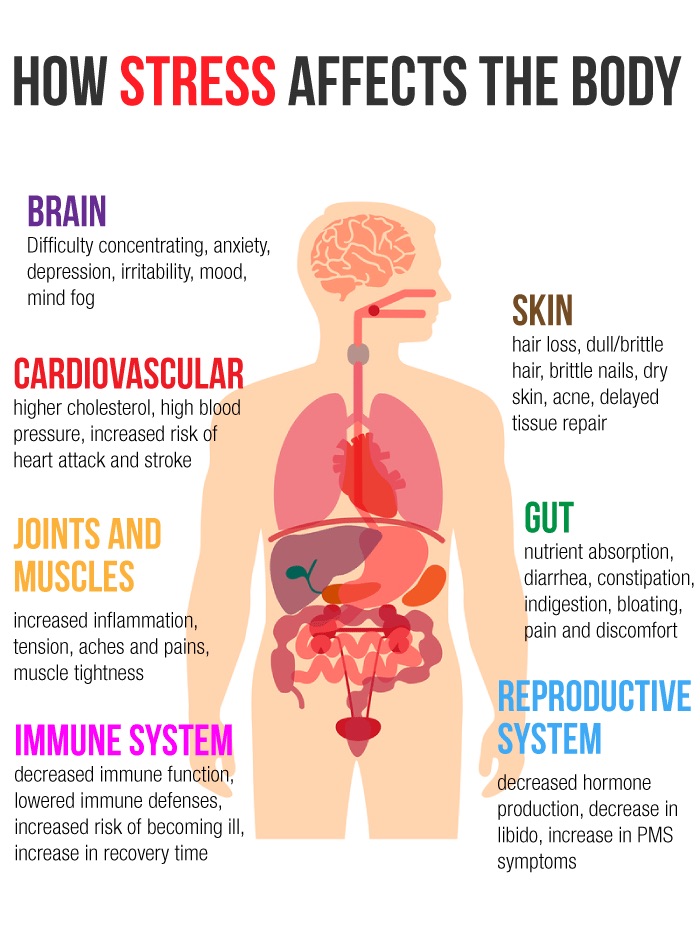
Those are often the people who may be stressed out or perhaps even closest to burnout.
Reach out and seek those who have helped or continue to lend a hand during a time of need.
Then, when that situation passes, we may be forgetting about them or perhaps thinking they don’t need mutual support or personal considerations.