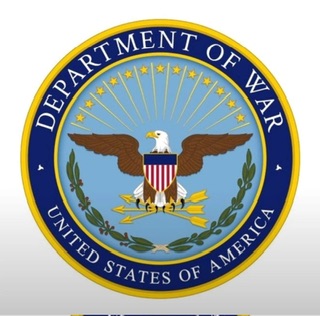
The Case For "Department of War"
- Clarity: The current name Department of Defense, implies a purely reactive posture, when in reality, the U.S. engages in preemptive strikes, overseas conflicts, and power projection. Calling it the Department of War would strip away that euphemism. It’s hard to make informed public decisions about military policy when the terminology itself is sanitizing the reality.
- Awareness: The name Department of War might force citizens to think more critically about military interventions. It could provoke needed public discourse: Do we want to fund and support a Department of War?That clarity could ultimately lead to more democratic accountability.
- Identity?: For the military, whose culture centers on warfighting, the term aligns with mission, mindset, and morale. Calling warfighters “defenders” can feel disconnected from the realities they train for and endure.
The Case Against "Department of War"
- International Relations: Names are not just internal signals. Department of War could sound belligerent to allies and adversaries. It may validate anti-U.S. propaganda, particularly in regions where American military presence is already controversial.
- Public Perception & Trust: Many Americans want to see their country as a force for peace and stability. “Defense” evokes protection, safety, and just cause. “War” evokes aggression, death, and conquest. The change might alienate parts of the population or create fear.
- Soft Power Damage: America’s ability to lead diplomatically often depends on a moral narrative. The label Department of War risks undermining that by portraying the U.S. as prioritizing force over dialogue, peacekeeping, or diplomacy.
Why?
The heart of the matter isn’t just semantics, it's about what role the military plays in American identity and foreign policy.
- If the goal is radical transparency, then Department of War is a bold move that matches rhetoric with reality.
- If the goal is to maintain global leadership and influence, the Department of Defense may be more diplomatically prudent, even if it’s somewhat euphemistic
Honesty is valuable—but it’s not free.
Calling it the Department of War might be more intellectually honest, but it could functionally hinder diplomacy, sow domestic anxiety, and embolden adversaries. A better long-term solution might be not just renaming the department, but realigning its actions to better fit the name Department of Defense.
That way, billions won’t be spent and our name doesn’t need to change… Only the policy… And so it goes!
Links