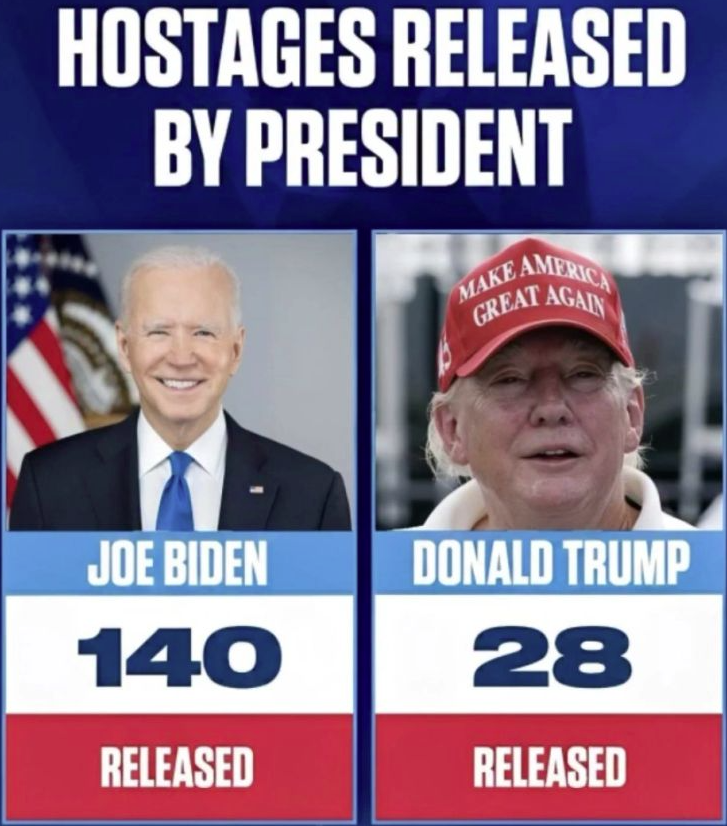
The next phase of Gaza's ceasefire agreement was signed in Egypt after the release of Israeli hostages and Palestinian prisoner detainees.
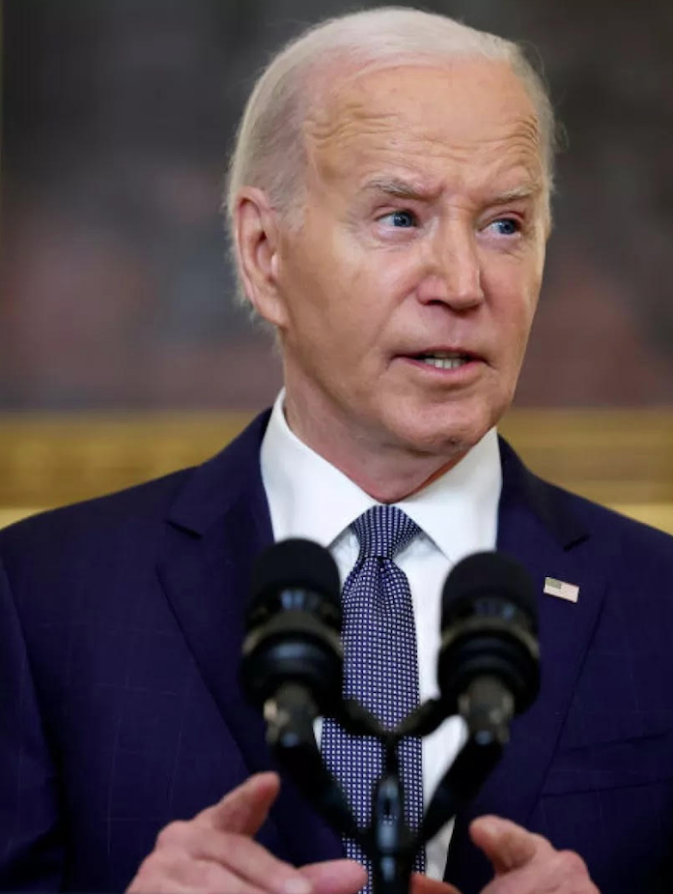
According to NPR reports, this was similar to Biden's initial plan on 5/24. Why did we have to wait until 10/25?
https://www.npr.org/2024/05/
What have Hamas, Palestinians, Arab Americans, and Arabs gained from this?
Hamas:
- Strategic Shock Value (Oct 7 attack): Hamas’s attack shocked Israel and the world, momentarily shifting the narrative of impunity in Gaza. It exposed security vulnerabilities and disrupted normalization talks between Israel and Arab states.
- Global Attention: The attack forced global attention back onto the Palestinian issue, which had been sidelined.
- But at a devastating cost: Gaza has been decimated. Hamas lost commanders, fighters, and infrastructure. Civilian suffering reached catastrophic levels.
In the long term, Hamas may have hoped to:
- Reassert itself as the dominant Palestinian faction.
- Undermine the Palestinian Authority and regional normalization with Israel.
- Radicalize the conflict to derail diplomatic processes.
Whether that amounts to "gains" is arguable. The material and human loss in Gaza outweighs any limited tactical or symbolic wins.
Palestinians (especially in Gaza):
- Immense loss: Over 30,000 civilians killed (many children), infrastructure destroyed, famine, displacement, and collective trauma. The term "genocide" used by international scholars and even ICJ proceedings reflects the scale of suffering.
- Global sympathy: Unprecedented levels of solidarity worldwide, especially from youth, diaspora communities, and parts of the Global South.
- UN and ICJ attention: South Africa brought a case to the ICJ, forcing the issue into international legal frameworks.
But again: these are not material or political "gains" for Palestinians. Rather, it has exposed the limits of the international system to protect stateless, occupied people.
Arab Americans and Arabs:
- Political awakening: Many Arab Americans, especially youth, became more politically engaged, pressuring politicians and the media.
- Distrust in Democratic leadership: Biden's handling of the war caused a historic political rupture with Arab and Muslim Americans—once reliable Democratic voters.
- "Genocide Joe" label: Not just a slur, but a political message: Biden’s failure to use leverage over Israel is viewed as complicity.
Still, policy has hardly shifted. And the result might be a return of Trump, whom many Arabs and Muslims also distrust. So, again, no real geopolitical gain—just political alienation.
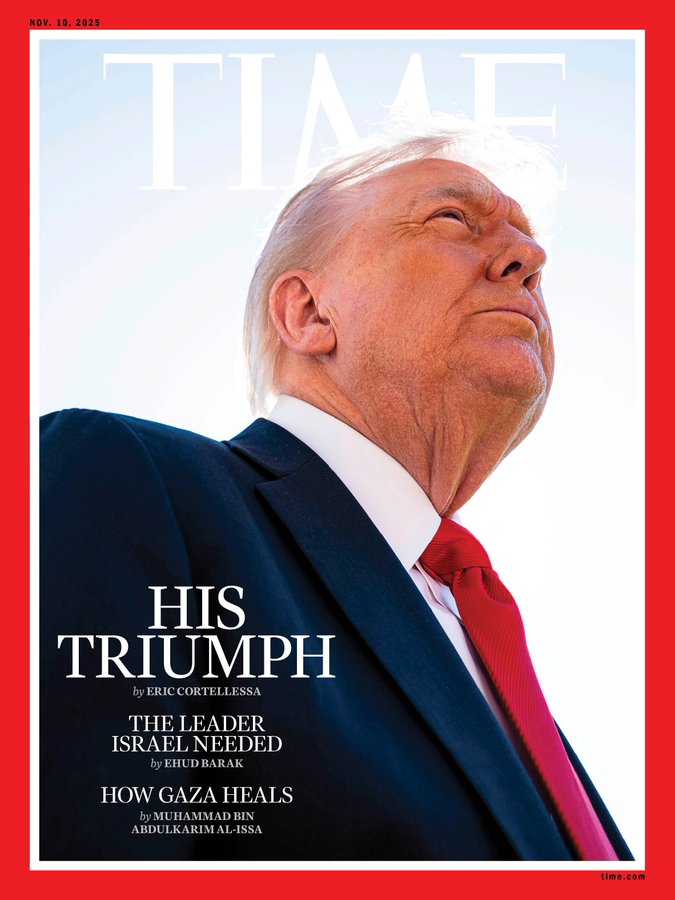
Has Trump become the "peace president"?
This claim often arises from comparisons, not absolute facts.
- Trump’s record:
- Brokered Abraham Accords: Peace deals between Israel and several Arab states (UAE, Bahrain, Morocco, Sudan).
- Did not start any new wars during his term.
- But: recognized Jerusalem as Israel’s capital, cut funding to UNRWA, closed PLO office in DC, and supported Israel unconditionally.
Trump’s peace branding is based on:
- His non-interventionist rhetoric.
- His avoidance of direct military conflicts.
- Contrast with Biden presiding over a devastating, prolonged war with U.S. weapons and vetoes protecting Israel diplomatically.
But Trump did nothing to advance Palestinian self-determination. He merely froze the conflict while deepening Palestinian marginalization.
So: "Peace president" for whom? Not for Palestinians.
What has Israel gained?
- Short-term military goals:
- Destroyed much of Hamas’s military capacity.
- Reasserted military dominance.
- Sent a deterrent message to Hezbollah and Iran.
- Strategic setbacks:
- Global isolation: Israel has never been so diplomatically isolated in modern history.
- ICC & ICJ scrutiny: Facing genocide accusations, war crimes investigations.
- Loss of moral high ground: The brutality of the Gaza war eroded international sympathy post-Oct 7.
- Normalizations stalled: Saudi-Israel normalization off the table for now.
- Domestic crises: Israeli society is fractured. Netanyahu is unpopular. Hostages remain. Military reservists are exhausted.
In essence: Pyrrhic gains—military goals achieved at enormous political and moral cost.
What has the U.S. gained?
- Strategic cost-benefit:
- Backed ally Israel unequivocally, keeping defense ties strong.
- Protected its geopolitical credibility—showing it stands by allies.
But:
- Global image shattered: Seen as complicit in starvation, bombing of civilians, and blocking ceasefires.
- Alienated Global South: Countries like Brazil, South Africa, and Indonesia are openly critical.
- Lost moral authority: U.S. advocacy for human rights and democracy looks hypocritical.
- Domestic backlash: Youth, Muslim, Arab, progressive, and even Jewish communities are in revolt.
In fact, Biden’s stance may cost him the 2024 election in swing states like Michigan.
| Group | Gains | Losses |
|---|---|---|
| Hamas | Short-term global spotlight | Enormous human, military losses; global condemnation |
| Palestinians | Global solidarity, ICJ case | Catastrophic humanitarian disaster |
| Arab Americans / Arabs | Political voice strengthened | Loss of faith in U.S. political system |
| Israel | Military objectives, U.S. support | Diplomatic isolation, reputational damage |
| U.S. (Biden) | Loyalty to ally, military-industrial interests | Global image collapse, domestic political crisis |
| Trump | Perceived non-interventionist, no Gaza war on his watch | No real peace for Palestinians, one-sided policies |
