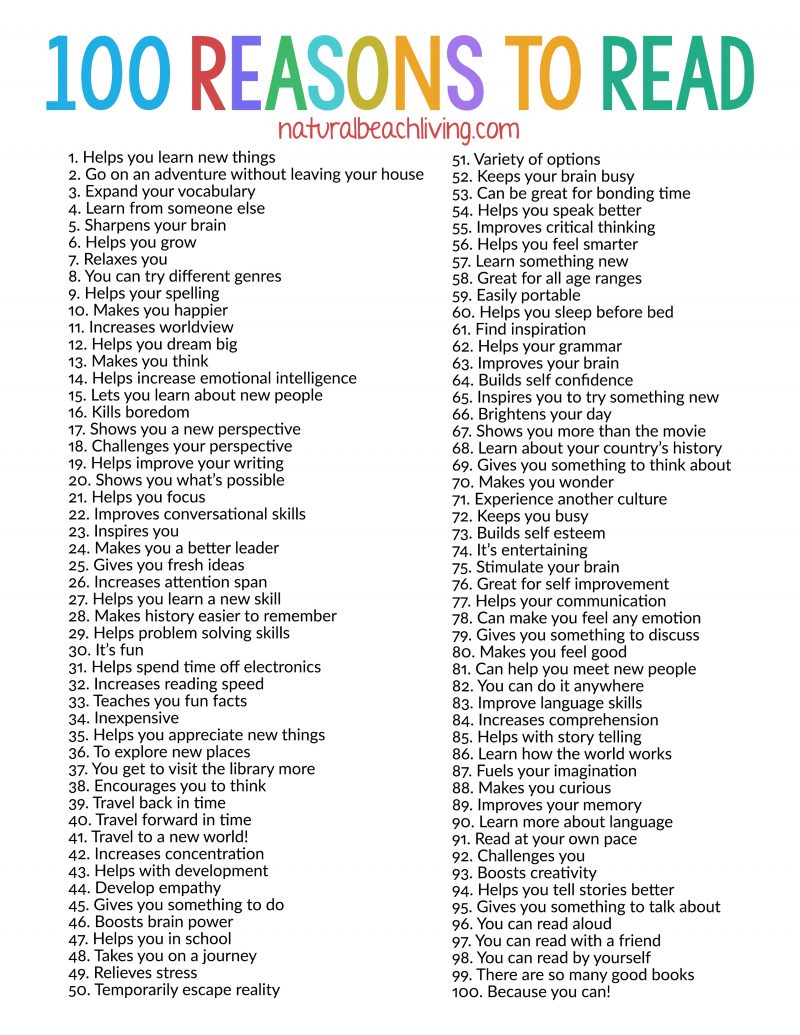
Writing is more than words on a page. It reflects effort and the difficult mechanics of human thought such as judgment, revision, and struggle. Behind the words is a mind trying to work something out. Writing has what I would call a biography behind it. It comes from somewhere and it belongs to someone. That gives the written word a kind of authority that is not only literary, but psychological. It feels connected to a person. Reading is a powerful driver of both human development and environmental awareness. Here’s why most agree.
Reading spreads knowledge
Books and written materials allow ideas to travel across time and cultures. Through reading, people learn about science, history, ethics, and solutions to global problems. For example, fields like Environmental Science and Climate Science rely on research that becomes accessible through articles, books, and reports.
It develops critical thinking
Reading exposes people to different viewpoints and evidence. That helps individuals question misinformation and make better decisions about issues like energy use, conservation, and public policy.
It builds empathy and global awareness
Stories and journalism can help readers understand lives and ecosystems far from their own. Works like Silent Spring by Rachel Carson helped awaken global awareness about environmental damage from pesticides, influencing environmental movements and policies.
It spreads solutions
Innovations—renewable energy technologies, sustainable agriculture, conservation strategies—are shared and improved through written knowledge. When people read about these solutions, they can apply them in communities around the world.
Education multiplies impact
When reading becomes widespread, it strengthens education systems. Educated societies are generally better equipped to address challenges like climate change, biodiversity loss, and sustainable development.
✅ In short: it’s one of the most powerful tools humanity has to learn, collaborate, and act wisely