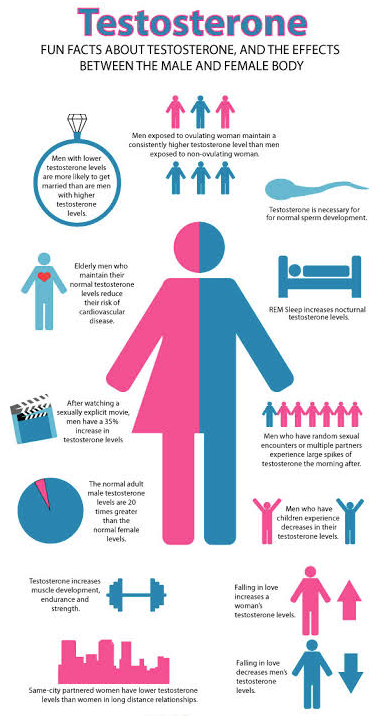
Inquiring minds want to know about the Pentagon’s new testosterone screening policy for troops, seeking specifics on how the directive would be implemented and its scientific justification.
There are questions raised by a group of U.S. senators after Defense Secretary Pete Hegseth announced a new Pentagon policy requiring annual testosterone-deficiency screening for service members age 30 and older, with younger troops able to opt in voluntarily. Testosterone replacement therapy (TRT), if recommended, would also be voluntary.
The senators are asking the Pentagon to explain several aspects of the policy before it is implemented, including:
Implementation details: They want to know the testing protocols (such as when blood tests will be taken, whether repeat confirmatory tests will be required, and what diagnostic thresholds will be used), how the program will be administered, and whether declining testing or treatment could have any effect on a service member's career.
Scientific justification: They argue the Defense Department has not presented evidence that routine, population-wide testosterone screening improves military readiness, health, or performance. They note that many professional medical organizations recommend evaluating testosterone deficiency based on symptoms plus repeated laboratory confirmation, rather than screening everyone.
Medical experts interviewed by Reuters and other outlets have expressed similar concerns. Testosterone levels naturally fluctuate with factors such as sleep, stress, illness, and time of day, making diagnosis more complex than a single blood test. Current clinical guidelines generally recommend testosterone therapy only for people with consistent symptoms and repeatedly confirmed low hormone levels because treatment carries risks, including infertility, cardiovascular complications, and the need for ongoing monitoring.
The senators also questioned whether the policy could have unintended consequences by encouraging troops to seek testosterone or other performance-enhancing substances outside medical supervision. They asked what safeguards the Pentagon will put in place to prevent misuse, especially given previous Defense Department efforts to combat unauthorized anabolic steroid use following investigations into drug use within some military units.
Regarding women in uniform, the senators argued that the policy appears to prioritize testosterone screening while longstanding gaps remain in care for servicewomen, including those experiencing perimenopause and menopause. They asked why comparable attention and resources have not been directed toward these issues and questioned how testosterone screening would apply to female service members. Although the announced policy includes screening for personnel age 30 and older regardless of sex, the Pentagon has not publicly released detailed guidance on how testing or follow-up care would differ for women.
Skepticism surrounding the new policy includes concerns that it could incentivize troops to self-medicate or potentially abuse performance-enhancing drugs.
Senators questioned how the policy could affect women in uniform, pointing to gaps in the Military Health System regarding care for servicewomen experiencing menopause and other health issues.