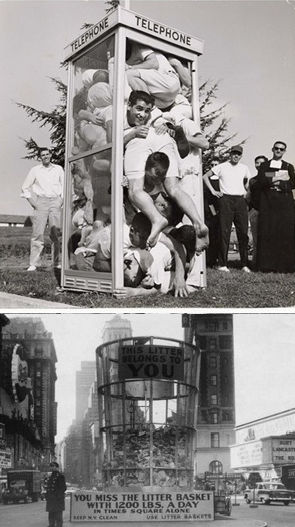
Most folks like to remember the good old days and some prefer to forget about it, but the reality is much more nuanced.
In some ways, daily life often did have a slower pace for many Americans:
- There were fewer digital distractions no smartphones, email, or social media. Shopping, entertainment, and social activities were often simpler and closer to home.
- Many communities were more locally centered, with neighbors interacting regularly and children spending more unsupervised time outdoors.
- Work was, for many office and factory workers, more likely to stay at work rather than to follow them home.
These factors can create the impression of a calmer, less hurried lifestyle.
At the same time, it's important to remember that nostalgia tends to emphasize positive memories while overlooking difficulties.
I recall as journalists writing for the school newspaper, covering everything from sports scores to bathroom graffiti. The paper was often printed on a machine down the hallway.
Those days also included:
Significant racial segregation and discrimination in many parts of the United States. Limited rights and opportunities for minorities, women and LGBTQ+.
Anxiety about the Cold War, nuclear conflict, and events such as the Korean War.
Economic insecurity for many families, especially those outside the growing middle class.
So whether the mood was "more relaxed" depended greatly on who you were, where you lived, and your circumstances. A white middle-class suburban family might have experienced the decade very differently from a Black family in the Jim Crow South, an immigrant family, or someone facing discrimination or financial hardship.
These images capture genuine aspects of everyday life, neighborhood gatherings, and Main Streets, but they represent only part of the story. They reflect real sources of nostalgia while not necessarily showing the broader social and economic realities of the era.
So to reach a balanced conclusion, many people experienced a slower daily rhythm than today, but that doesn't mean the decade as a whole was universally much better. The sense of nostalgia often comes from the pace of life and familiar community traditions rather than the entirety of life in the good old days yesteryears.
