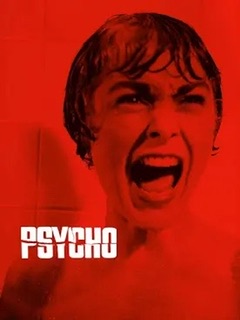
As a filmmaker and video producer, I have always considered Alfred Hitchcock the greatest director who ever lived, and Psycho his greatest film.
That is not simply a matter of personal taste. Psycho is a master class in filmmaking. Hitchcock understood that suspense is not merely about what happens next. It is about controlling what the audience knows, what it thinks it knows and, most importantly, what it fears might happen next.
Released in 1960, Psycho broke conventions that Hollywood had spent decades establishing. Hitchcock killed off what appeared to be the film’s central character barely halfway through the story, then forced the audience to follow Norman Bates and his increasingly disturbing world. The shower sequence remains one of the most studied and imitated scenes in cinema, not because of what is actually shown, but because of editing, framing, sound, rhythm and the audience's own imagination. Bernard Herrmann's screeching score became almost another character in the film.
Hitchcock received an Academy Award nomination for Best Director at the 33rd Academy Awards in 1961, but Billy Wilder won for The Apartment. Janet Leigh was nominated for Best Supporting Actress for her performance as Marion Crane, but Shirley Jones won for playing Lulu Bains in Richard Brooks' Elmer Gantry. Burt Lancaster also won Best Actor for his portrayal of Elmer Gantry.
Awards are part of Hollywood history, but they don't necessarily determine cinematic greatness. More than six decades later, Psycho still teaches filmmakers something fundamental: You don't need to show the audience everything. Give them enough to make them imagine the rest.
That may be Hitchcock's greatest lesson. The most powerful image in cinema is sometimes the one you never show.