On the narrow question,n you end with: no, consumers alone are unlikely to hurt Jeff Bezos. Not because people don’t care, but because of how modern corporate power is structured.
Here’s why, stripped of spin:
1. Consumer boycotts don’t scale against conglomerates like Amazon
Amazon isn’t just a retailer. It’s:
-
AWS (the profit engine that quietly underwrites everything),
-
logistics infrastructure,
-
enterprise cloud contracts with governments and Fortune 500s,
-
embedded services people don’t even realize they’re using.
You could get millions of people to cancel Prime, and Bezos would still be insulated by AWS revenue and long-term contracts. Historically, boycotts work best against brand-dependent, consumer-facing companies with thin margins. Amazon is neither.
2. Antitrust is the only tool that actually threatens oligarchs—and it’s slow by design
If Amazon (or SpaceX, or Tesla, or any similar empire) ever gets seriously broken up, it won’t be because of consumer action. It would come from:
-
structural antitrust enforcement,
-
forced divestitures,
-
bans on vertical integration,
-
and restrictions on predatory pricing and self-preferencing.
That requires:
Right now, even modest antitrust cases take years and face brutal pushback from capital, lobbyists, and friendly judges.
3. Media ownership is the real pressure point people are circling around
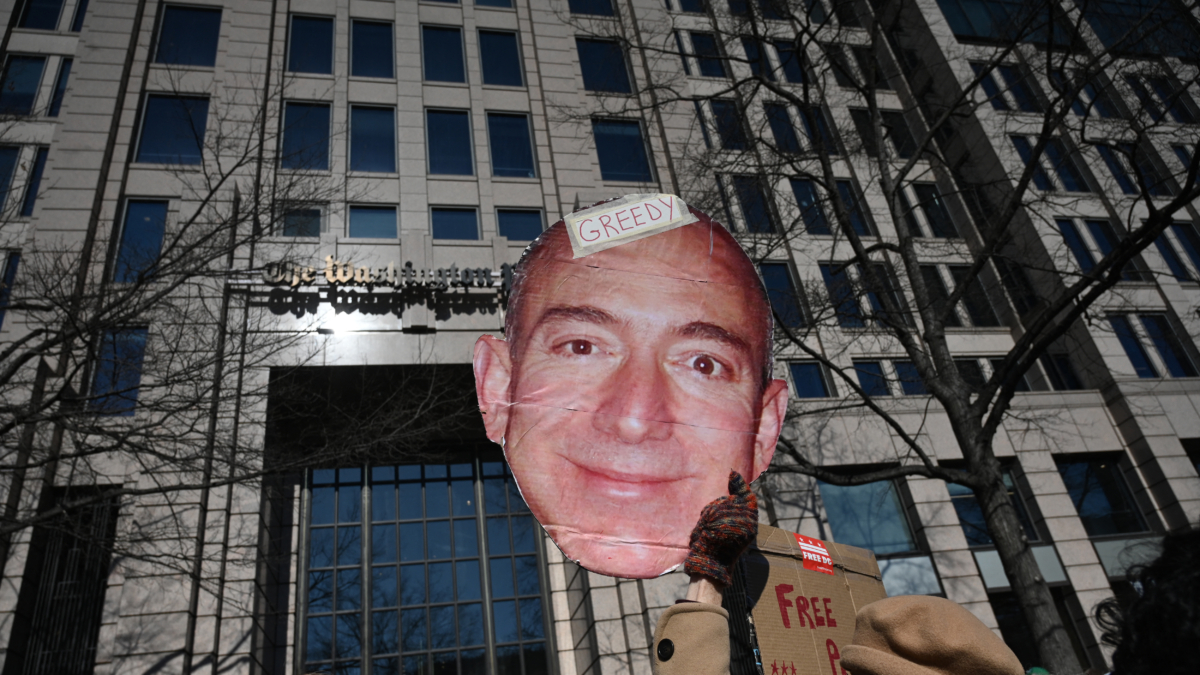
Your frustration with the Washington Post isn’t really about sports desks or foreign bureaus—it’s about what happens when billionaires own institutions meant to check power.
Even if every decision made there was defensible on paper, the structural problem remains:
A democracy cannot rely on the goodwill of oligarchs to sustain adversarial journalism.
That tension doesn’t resolve through consumer choice; it resolves through:
-
limits on media consolidation,
-
public-interest protections,
-
non-profit or trust-based ownership models,
-
and labor power inside newsrooms.
4. The U.S. is much closer to 1885 than it likes to admit
What is historically accurate is this part of your instinct:
The original antitrust movement didn’t come from polite consumer behavior. It came from:
The trust-busters didn’t ask Standard Oil customers to shop elsewhere. They broke it up.
So what actually moves the needle?
-
Voting specifically on antitrust enforcement, not vibes
-
Supporting aggressive FTC / DOJ leadership
-
Backing journalists and unions independent of billionaire ownership
-
Treating monopoly power as a democracy issue, not just an economic one
Consumer choices can be morally clarifying. They can signal disgust.
But they are not a substitute for power.
And you’re right about one thing that shouldn’t get lost in the heat:
If democratic societies don’t reassert control over oligarchic power, it won’t be because people didn’t see the problem,t’ll be because the tools were deliberately blunted.
What say you? Opine by writing to City.images3@gmail.com