Before “remote work” was en vogue and became the popular buzz phrase, I experienced it silently, wonderfully, and personally.
I accepted a job offer in New York City and began searching for a special place. I had gotten divorced and moved out of Los Angeles, where the weather is fine all year round, but I was prepared for the winter because I had worked for NBC in Manhattan.
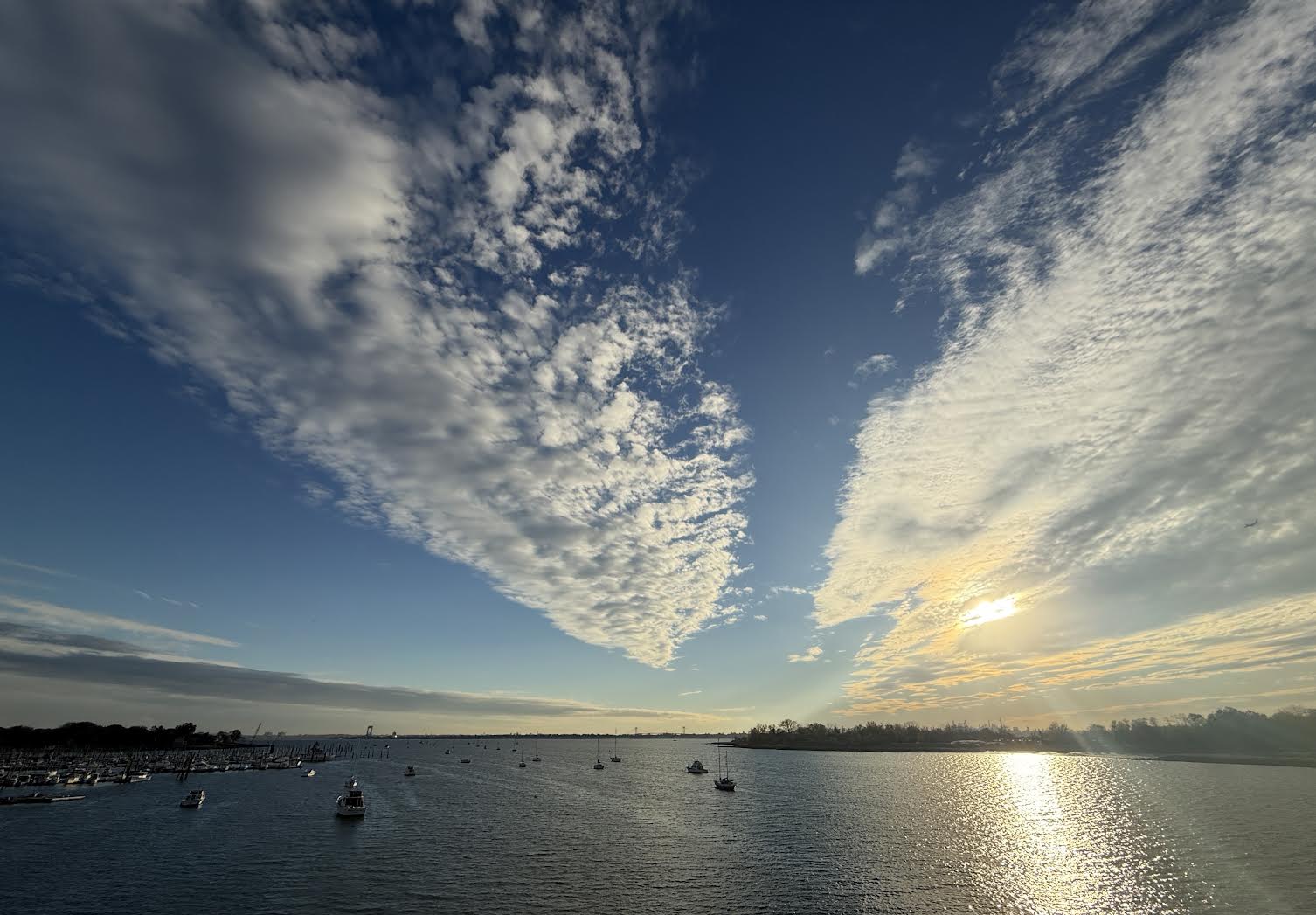
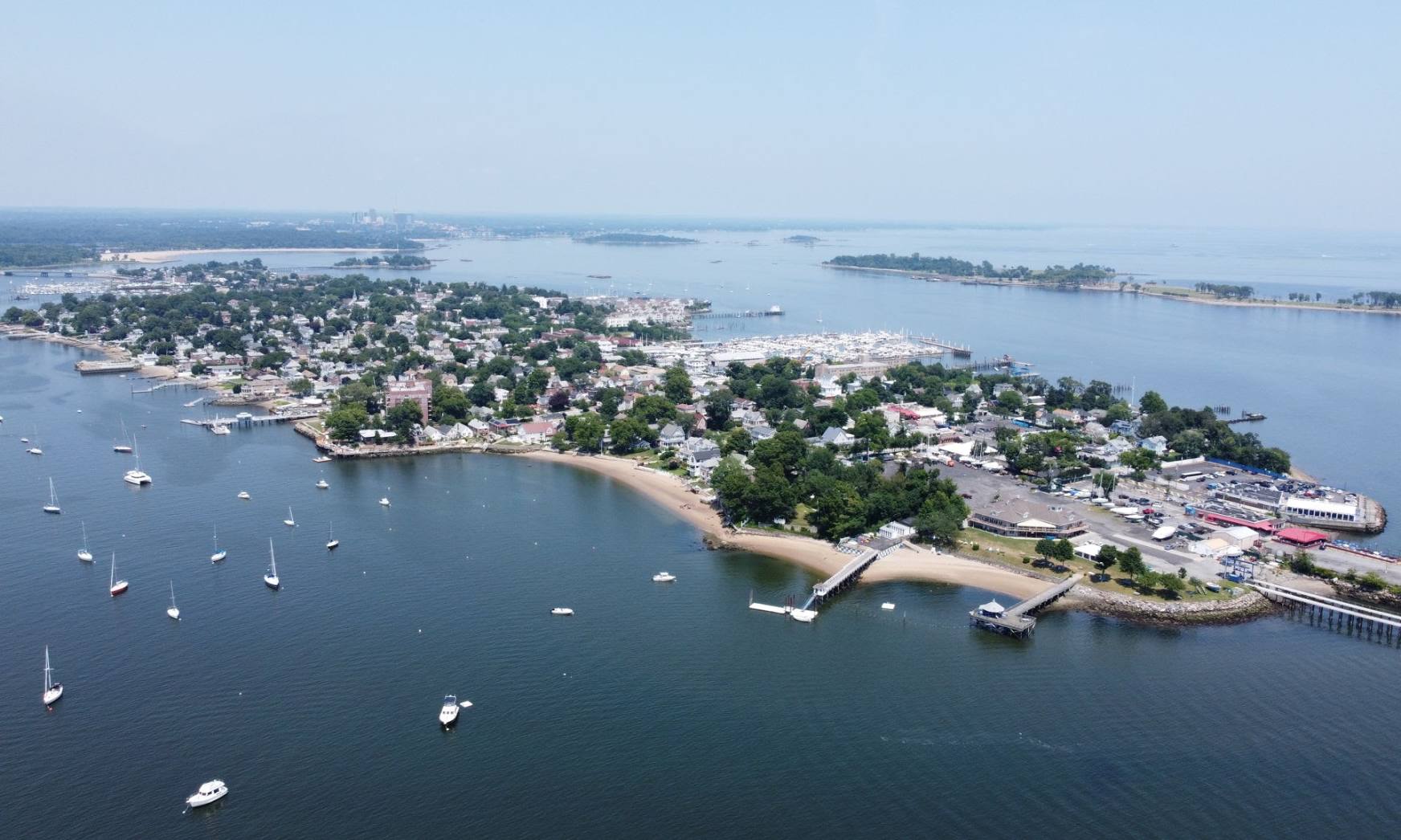
I met a beautiful lady on the 6 Subway Train, who started a conversation seeing me give my seat to a nun from Mother Theresa’s Convent. She was so impressed that she asked me where I was from. I told her I had moved from California and was looking for a special place to live. She guided me to her tiny island home, where I was sold as soon as the bus crossed two bridges and we arrived. I chose to live on City Island—a slice of NYC Paradise.
A one-mile sliver of land in The Bronx. Four thousand residents. Boats, gulls, mussel suckers, clam diggers, bike riders, little traffic, no horns honking, or yellow cabbies driving offensively.
City Island was the anti–Big Apple. And it revealed something to me early: you didn’t have to be tethered to the noise to do meaningful work. You didn’t have to live inside the gears of the machine just because your job required you to live there.
That was almost thirty years ago. Now, the rest of America has caught up. Housing prices in major metros, and the normalization of remote/hybrid work, are quietly redrawing the population map. People are doing the math… and then doing something more radical: they are choosing quality of life.
And the data is not subtle. Between 2020 and spring 2024, two-thirds of the U.S. population growth among 25- to 44-year-olds happened in counties under 1 million, or in rural counties altogether.
That is not a tweak. It is a shift in values. And these numbers are not sterile. They represent people trading subway platforms for hiking trails. City apartments for mountain ridgelines. Waiting lists for restaurants for neighbors they actually know by name.
So — let’s go there. Many folks throughout this great nation are in search of remarkable places where they are quietly discovering what City Island taught me decades before it was a “trend”:
That sometimes, less is actually more. That a life can expand… precisely when the place gets smaller.
We are seeing and living through a quiet demographic revolution, not driven by politicians or policy, but by people deciding that how they feel when they wake up matters more than how tall the skyline is outside their window. The new status symbol isn’t a Manhattan address; it’s the ability to hear your own thoughts and birds singing in the morning and crickets chirping at night.
Thousands of Americans every week are learning what City Island taught me three decades ago: that belonging is not measured in density. It’s measured in breath, in neighborliness, in a kind of spaciousness our bodies recognize before our minds do.
We thought remote work would be a technological convenience. Instead, it became a values referendum. A re-writing of the American idea of “best place at home.”
And the great irony? This is actually not new. It’s a return. It’s a rediscovery of the ancient human instinct that where we live is not merely logistics, it is psychology. These smaller geographies, from Bozeman, Montana, to Santa Fe, New Mexico, are not trends; they are recalibrations. They are the laboratory of America’s next chapter: how to design a life not around commutes and crowds, but around meaning, beauty, connection, and enoughness.
City Island was my prototype. Now it’s a national movement. Sometimes the path forward is a road that gets narrower. Sometimes, less is not only more, it’s home sweet home.
Image: James Carbone