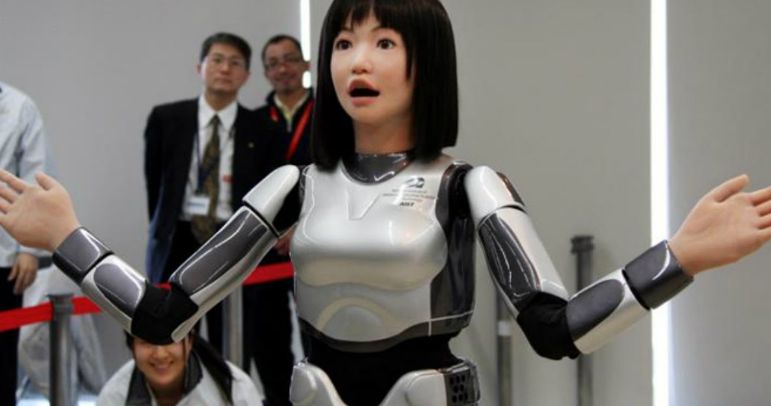
AI is no longer artificial. We used to ask what happens if machines get smarter than humans we now need to ask: What if they’re almost human?
Artificial intelligence defined. Artificial intelligence is a field of science concerned with building computers and machines that can reason, learn, and act in such a way that would normally require human intelligence or that involves data whose scale exceeds what humans can analyze.
https://asiatimes.com/2025/06/ai-is-no-longer-artificial/#
Meanwhile, Salesforce is accelerating its use of artificial intelligence in automating workloads, according to CEO Marc Benioff.
https://www.cnbc.com/2025/06/26/ai-salesforce-benioff.html
Links

Newsweek interviewed a remarkable constellation of experts through its AI Impact series. Here are 6 lessons you can actually use, based on their experience.

Machines can answer questions, but only people can ask the right ones. Here`s why that matters more than ever in a world driven by AI.

Effectively teaching students how to employ AI in their writing assignments requires clear guidelines—and detailed, case-specific examples.

AI will transform industries. However, this transformation will happen on enterprise time: longer, slower, and with far more friction than most expect, and much slower than Silicon Valley is selling. Right now, companies are getting six fundamental things wrong about how AI will create value and how long it will take—and risk wasting resources, overpromising results, and eroding trust. 1) AI’s real impact will take much longer than we think. 2) We’re being wildly optimistic about enterprise AI adoption. 3) The market is overestimating the value of AI companies. 4) The real money isn’t in the models. 5) We’re over indexing on startups. 6) We’re obsessed with generative AI but it’s not the future. Enterprise leaders need to be asking fewer questions about what AI might do—and more about what it’s actually doing in your business.
Topic