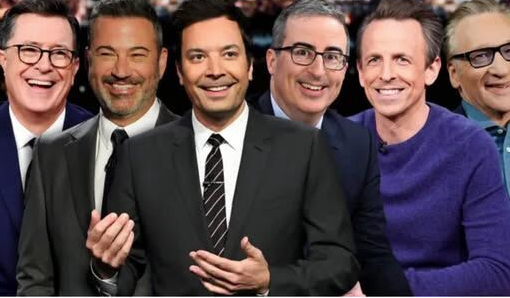
A fast-escalating dispute between the Trump administration and late-night television hosts is raising new questions about the limits of government power over speech, testing core First Amendment protections in the broadcast arena.
At the center of the clash is Jimmy Kimmel, whose recent on-air joke about first lady Melania Trump drew sharp condemnation from President Donald Trump and his allies. The president has publicly called for Kimmel’s firing, while federal regulators have moved to review the broadcast licenses of Disney-owned ABC, which airs Kimmel’s show.
The administration’s actions — particularly the involvement of the Federal Communications Commission — have prompted alarm among free-speech advocates, who argue that the government is using regulatory authority to punish political criticism.
A constitutional fault line
The First Amendment broadly prohibits the government from abridging freedom of speech or the press. Legal experts say the key issue is whether federal pressure on a broadcaster, tied to the content of a comedian’s speech, amounts to unconstitutional retaliation.
Critics argue that even indirect pressure — such as license reviews or regulatory scrutiny — can create a “chilling effect,” discouraging networks from airing critical viewpoints. Civil liberties groups have said the FCC “has no authority to control what a late-night TV host can say,” warning that such actions risk turning regulators into arbiters of acceptable speech.
The administration and its supporters, however, frame the dispute differently, pointing to concerns about incitement, public safety and broadcast standards following a recent security scare linked temporally to Kimmel’s remarks.
Escalating political and media tensions
The conflict is unfolding against a broader campaign by Trump to challenge major media organizations through lawsuits, regulatory pressure and public attacks — most of which have faced setbacks in court on First Amendment grounds.
Meanwhile, late-night hosts including Jon Stewart and Seth Meyers have rallied around Kimmel, defending political satire as protected speech and criticizing what they describe as government overreach.
Why it matters
The dispute highlights a gray area in First Amendment law: while private companies like ABC are not bound by the Constitution in their editorial decisions, the federal government is. Any attempt to coerce or penalize a broadcaster because of its content could face strict constitutional scrutiny.
If challenged in court, the case could clarify how far regulators can go in scrutinizing broadcast outlets — and whether political speech delivered as comedy receives the same robust protection long recognized in U.S. law.
For now, the standoff underscores a familiar tension in American history: the collision between political power and dissenting speech, now playing out on the late-night stage